
I want you to picture a police officer on a night shift in a neighborhood where she knows almost every face. She knows which corner has the most foot traffic, which block has the family whose son just got out of detention, which apartment building keeps cycling the same residents through mental health crises and emergency rooms. She is not a social worker. She is not a clinician. She is a cop. But the reality is on any given night, she is all three.
That is American policing today. It has been for years. And the people who know it best are the officers living it every shift.
I spent decades in law enforcement, from Detroit to Dallas, and I can tell you that the job changed long before we started debating what to call the change. Over time, 911 became the default phone number for everything society didn’t know how to handle: untreated mental illness, homelessness, overdoses, domestic despair. Officers answered every call. They still do.
That’s why a new survey from the Alliance for Safety and Justice matters so much — not because it tells officers something they don’t already know, but because it finally puts hard numbers to what they’ve been living for years. Ninety-two percent of law enforcement officers agree that police departments are burdened with social problems that go far beyond traditional crime response. Nearly 90% say the needs of people experiencing drug overdoses, homelessness and mental health crises already outstrip what their departments are equipped or able to provide. This is the first and largest survey of its kind. Those are not the numbers of a profession at the margins of a debate. That is the profession speaking with one voice.
And what that voice is asking for isn’t more squad cars. It’s partners.
Nine in 10 officers say that sobering centers and crisis stabilization centers — staffed by trained professionals — would reduce the repeated emergency calls and hospital transfers that consume their time and drain departmental resources. That number holds whether you’re talking to officers in cities or rural counties, veterans or younger officers. And it climbs even higher among officers who have already worked alongside these programs. The more time officers spend with violence interruption workers and crisis clinicians, the stronger their endorsement becomes. Experience turns skeptics into advocates.
I know this because I worked to build exactly that in Dallas.
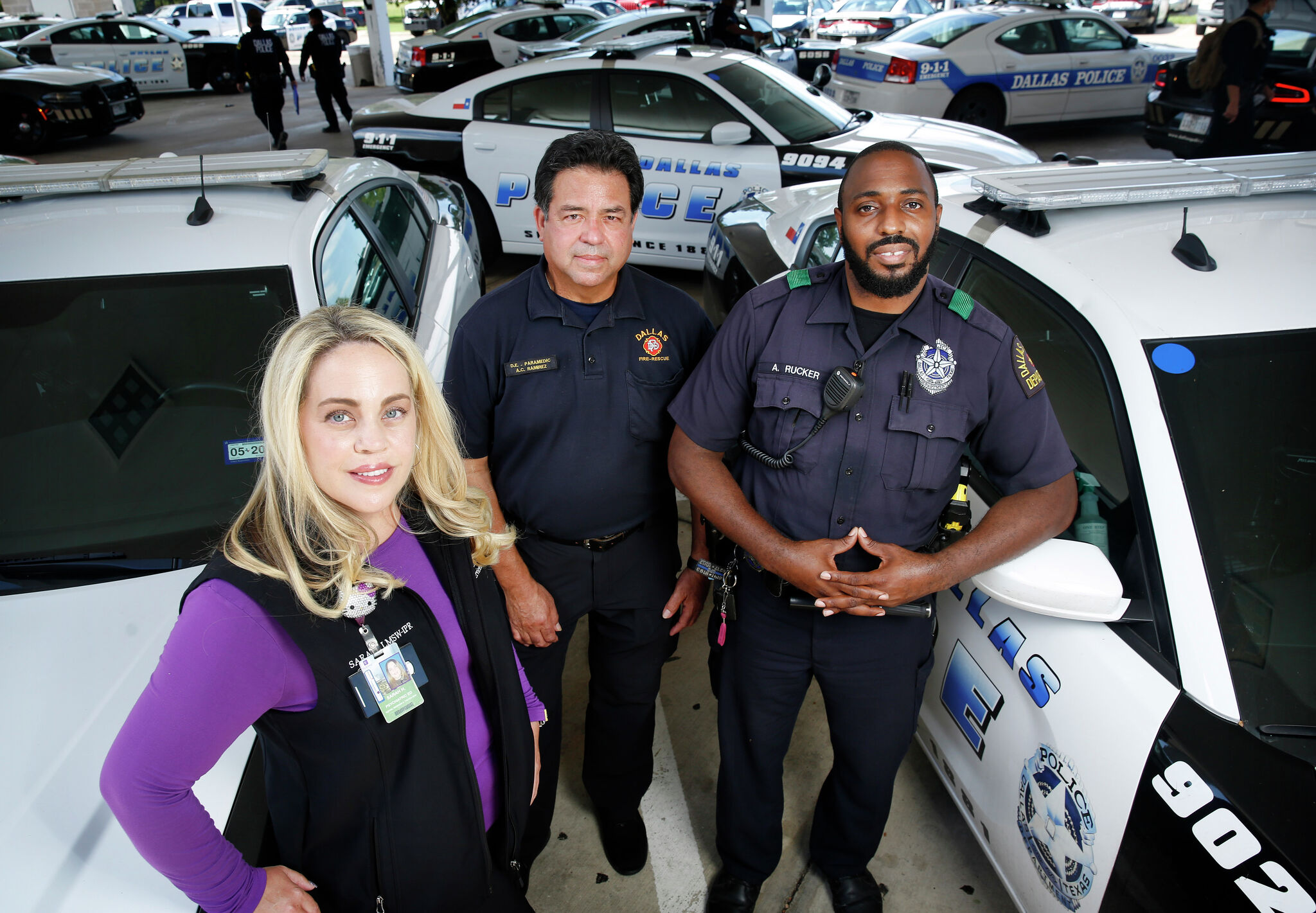
In January 2018, we launched the RIGHT Care program — the first co-responder model in Texas, and the first city in the country to embed a mental health clinician directly inside a 911 call center. When a behavioral health crisis call came in, we didn’t send only a patrol car. We sent police, a paramedic, and a Parkland Hospital clinician — together. Our philosophy was simple: “People call us for help, and our philosophy is to provide that help with compassion.”
The results were not soft. They were hard numbers. Within a few years, RIGHT Care had diverted nearly 1,500 people away from jail. Emergency room visits dropped 20%. Arrests dropped 60%. Officers had the right tool for the right call, and they used it.
That program worked because we stopped pretending that every crisis has a criminal solution. It doesn’t. A man in a psychiatric episode doesn’t need to be arrested. He needs a clinician. A teenager cycling in and out of the same corner doesn’t need another encounter with the justice system. He needs someone to interrupt the path he’s on before it ends in a courtroom or a cemetery.
Those are not radical ideas. They are the ideas that working officers — patrol officers, not policymakers — have been living and quietly endorsing for years. The Alliance for Safety and Justice survey just put the numbers to it.
This is why what is happening right now is so difficult to watch. The very programs that officers say make their communities safer and their jobs more manageable are being cut. Federal funding is being slashed. Organizations that spent years building trust, hiring credible messengers and placing clinicians in the field are reducing operations or shutting down entirely. The partnerships we built are being dismantled, and officers are being left to fill the gap with no additional tools and no additional support.
This is not fiscal conservatism. This is not being tough on crime. This is making communities less safe and making officers’ jobs harder. And officers know it.
Anyone who’s served in law enforcement in communities experiencing chronic crime problems will tell you the same thing: We cannot arrest our way to public safety. We need partnerships. Whether that’s mental health crisis assistance, or youth programs, or treatment and housing programs, it all adds up to a strong public safety ecosystem — and it’s the only way to achieve lasting change.
We cannot keep asking officers to hold communities together while pulling away the very programs that help them do it.
Fund neighborhood programs. Restore what has been cut. Trust what officers — not politicians, not pundits — are telling us they need. These programs are not alternatives to public safety.
Reneé Hall is the former police chief in Dallas. She currently serves as president of the National Organization of Black Law Enforcement Executives (NOBLE).
Have thoughts about this? Send a letter to the editor using our letters form or email letters@dallasnews.com. Letters should be no more than 200 words and include the first and last name of the writer and city of residence.