
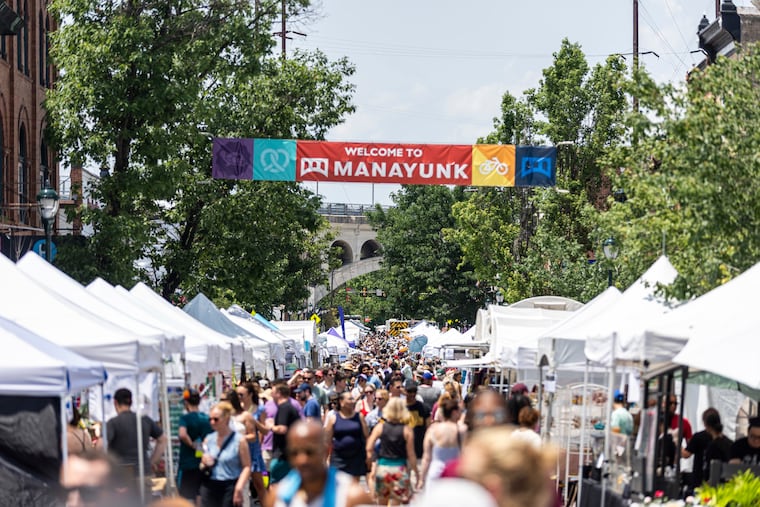
Philadelphia has long used street festivals, parades, and other special events to showcase neighborhoods and give local businesses a boost. But a report released Tuesday by the City Controller’s Office found that rising police patrol costs and a difficult permitting process have made it hard for organizers to host the more than 1,400 special events the city approves each year.
“There’s an opportunity for Philadelphia to review what others are doing to handle special events and offer a more cost-effective, streamlined approach to event support and delivery,” City Controller Christy Brady said in a statement.
To host a street festival, organizers need to coordinate with the Philadelphia Office of Special Events, but planning can get complicated quickly for all involved.
Organizers have said the rising costs of security and other services, including sanitation, emergency medical services, and health inspections can be insurmountable.
Police staffing shortages have made security costs especially hard to predict and led to increases in hourly rates as officers work overtime for these events.
What’s more, these costs are not evenly applied. Certain events, including those with ties to police and elected officials, have gotten a pass with taxpayers footing the bill.
For the organizers who aren’t so lucky, patrol costs can account for up to 44% of event budgets, according to the report.
Organizers of the Northern Liberties Arts and Commerce Alliance’s Night Market events said they received a 2025 cost estimate more than double what the city charged the group on average for the events in 2023. Facing a $24,600 bill, organizers opted to cancel.
In the case of the Dad Vail Regatta, the largest collegiate regatta in the country, Philadelphia’s hard-to-predict commercial costs (and an issue with dredging) led to New Jersey’s gain.
Camden County’s pricing package for security and other services was enough to get event organizers to relocate since its initial 2023 move to the Cooper River.
» READ MORE: Why did Dad Vail choose the Cooper River again for 2024? The regatta’s top organizer explains.
But even if organizers can sort out the city’s bill, they still have to convince vendors (and themselves) that the permitting process will be worth the expense and paperwork.
Hosting an event in Parks and Recreation spaces requires a special event application with that department. Events at city-owned property require commercial liability insurance for the hosts and the city.
Plan to have a large canopy or tent on site? There’s a permit needed through the Department of Licenses and Inspections.
Merchandise vendors also need L&I approval, while food vendors need to contact the Office of Food Protection — that’s separate from the special event sponsor application organizers fill out, providing the city with the names of vendors for their event.
The report found this complex permitting system “disproportionately affects small and midsized events that rely on vendor participation or volunteer support, limiting accessibility and discouraging repeat participation.”
The report looked at how the cities of Camden, Boston, Chicago, and New Orleans handled their special events and found they used tiered permitting and more transparent cost structures.
The Controller’s Office recommended Philadelphia adopt a tiered classification system for events, a “one-stop shop” application process, and standardized service fees.
Requirements and fees would be based on the event’s size, duration, and impact, while the new application would aim to shorten processing times and encourage “cross-departmental coordination.”
Other recommendations include:
-
Investing in public safety staffing and providing support to police, fire, and EMS personnel to reduce overtime costs and improve service reliability.
-
Strengthening coordination between Business Improvement Districts and other departments to ensure equitable and consistent security planning.
“Philadelphia can build on its strengths by adopting best practices that support world-class event production,” said Brady. “The city can benefit from embracing modernization and standardization in safe environments.”