A favorite Dolly Parton, Doc Weston musical memory
Dolly Parton’s death this week spurred innumerable tributes celebrating her kindness and generosity of spirit from seemingly everyone who ever knew, worked with, or even had a chance encounter with the beloved country singer.
a]:text-blue-mid [&>a]:no-underline [&>a]:hover:shadow-lightmode px-5 sm:px-4 font-medium”>Lots of cool clips have been circulating, all easily findable if they haven’t already shown up in your feed. Among them is a 2019 snippet from backstage at the Newport Folk Festival that’s barely over a minute long, with Parton dressed in an embroidered cowboy suit, leading the Highwomen in a version of her song “Eagle When She Flies.”
with Parton front and center and Harris and Ronstadt supporting her in perfect harmony.
Advertisement
a]:text-blue-mid [&>a]:no-underline [&>a]:hover:shadow-lightmode px-5 sm:px-4 font-medium”>There are two clips of performing for a clearly smitten Johnny Carson on The Tonight Show in the 1970s, each playful and clever, but also displaying what a fine finger picking guitarist she was.
a]:text-blue-mid [&>a]:no-underline [&>a]:hover:shadow-lightmode px-5 sm:px-4 font-medium”>Parton and Watson work up a tender “The Last Thing On My Mind,” the Tom Paxton song she and Porter Wagoner recorded as their first single in 1967. She shadows Watson vocally, perfectly complementing him with her angelic voice. The furtive camera grants us the privilege to witness a private moment between a pair of legends working together for the first and only time, both now sadly gone.
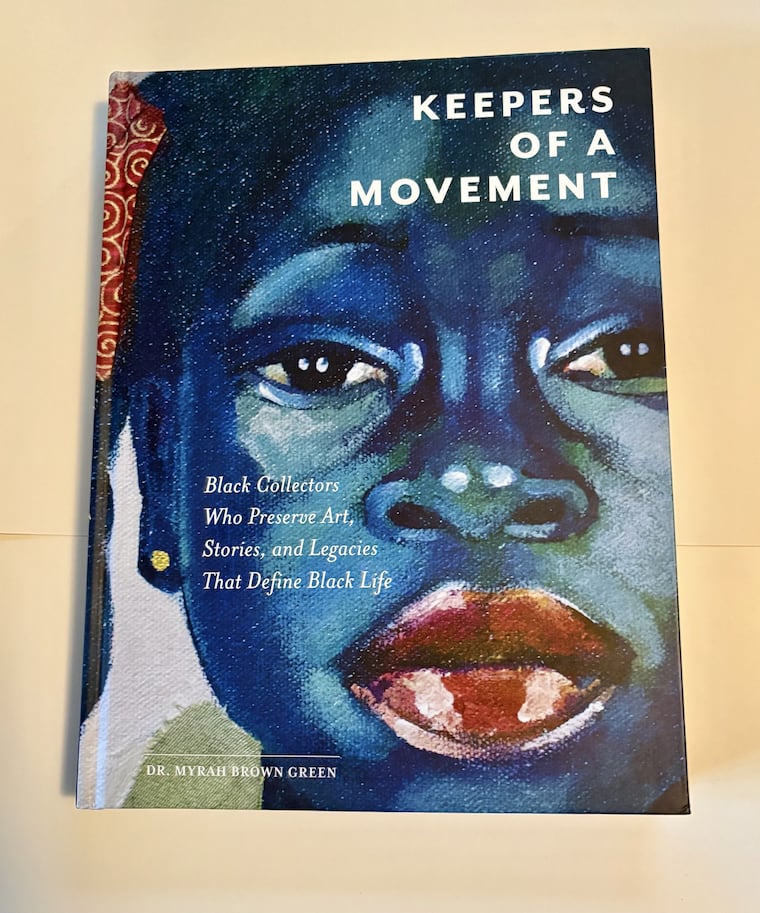
A treasure trove of a coffee-table book celebrating Black art collectors
Myrah Brown Green features the collections of Philadelphia-based art connoisseurs including Donnell Walker, founder of Fine Art for All Roots, a Lansdowne-based community arts organization; Vashti DuBois, founder of Germantown’s Colored Girls Museum; and the late Danny Simmons, owner of North Philadelphia’s Rush Gallery.
Cover of ‘Keepers of a Movement: Black Collectors Who Preserve Art, Stories, and Legacies That Define Black Life.’Elizabeth Wellington
Keia D. Carter Simmons, associate director of Temple Contemporary Art Gallery penned the foreward.)
“Misty Sol” Pearson, Nile Livingston, and Chantelle Phillips are also featured. A sculpture by North Philadelphia potter and ceramicist Roberto Lugo is pictured, too.
Otto Neals, is in the book. As is a Romare Bearden 1980 watercolor Man Seated with Red Rooster from the collection of the late Brooklyn-based attorney Patricia Scipio-Brim.
Advertisement
massive collection are photographed in Keepers.
a]:text-blue-mid [&>a]:no-underline [&>a]:hover:shadow-lightmode px-5 sm:px-4 font-medium”>Simmons’ collection of comic books, toys, and superhero figurines is the kind of art I grew up with but didn’t consider art until recently. New York based jewelry designer Donna Chambers’ collection of 19th century Black cameos by unknown artists are a window into my obsession of the untold stories of the lives of my ancestors. Ohio-based quilter and historian Carolyn Mazloomi’s social justice textiles expanded my idea of art with a purpose.
Advertisement
a]:text-blue-mid [&>a]:no-underline [&>a]:hover:shadow-lightmode px-5 sm:px-4 font-medium”>‘Keepers of A Movement: Black Collectors Who Preserve Art, Stories, and Legacies That Define Black Life’ is available for purchase at The Colored Girls Museum located at 4613 Newhall Street in Germantown.
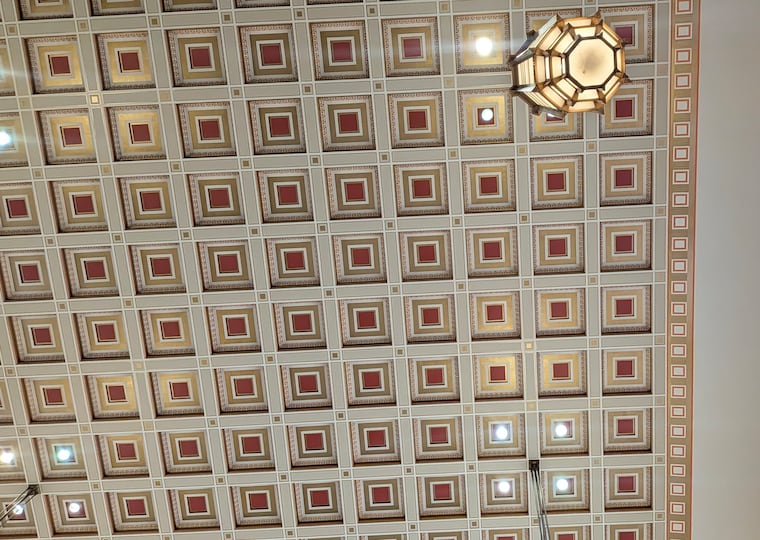
The newly restored ceiling at Philadelphia’s 30th Street Station. Photo taken on Thursday, Aug. 27, 2026Bedatri D. Choudhury
A ceiling like no other
Advertisement
a]:text-blue-mid [&>a]:no-underline [&>a]:hover:shadow-lightmode px-5 sm:px-4 font-medium”>The station, which opened in 1933, was designed by the Chicago-based firm Graham, Anderson, Probst, and White. It was part of the City Beautiful movement where, in the late 19th- and early 20th-century, governments took to designing grand and beautiful public spaces.
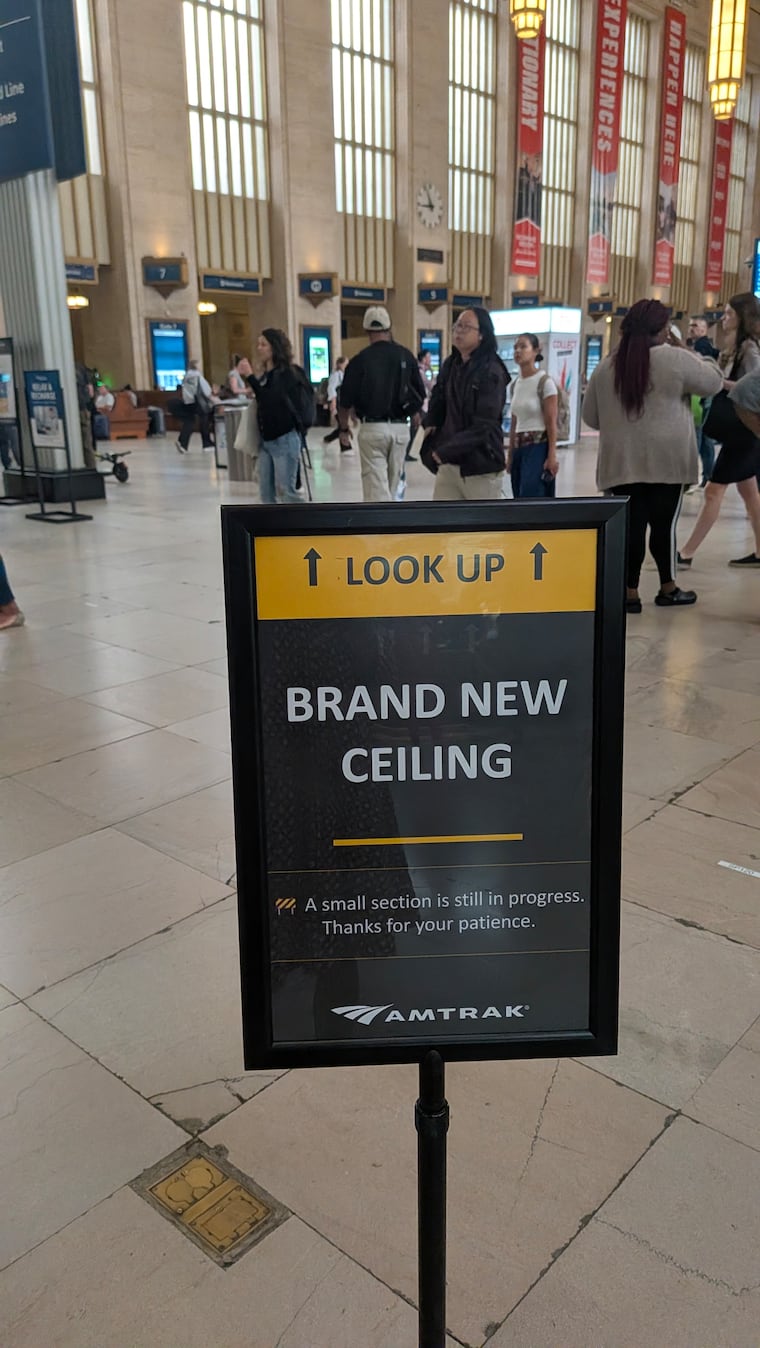
A sign asking people to look up and view the newly restored ceiling at Philadelphia’s 30th Street Station. Photo taken on Thursday, Aug. 27, 2026Bedatri D. Choudhury
a recent $550 million restoration, there’s talk of a food court and other things that’ll crowd into the main concourse of this awe-inspiring building that is on the National Register of Historic Places. A small corner of the ceiling above the Dunkin’ Donuts kiosk awaits renovation. Just outside, a world of steel, glass, and concrete awaits along with a news cycle of reflecting pools and algae.
Advertisement
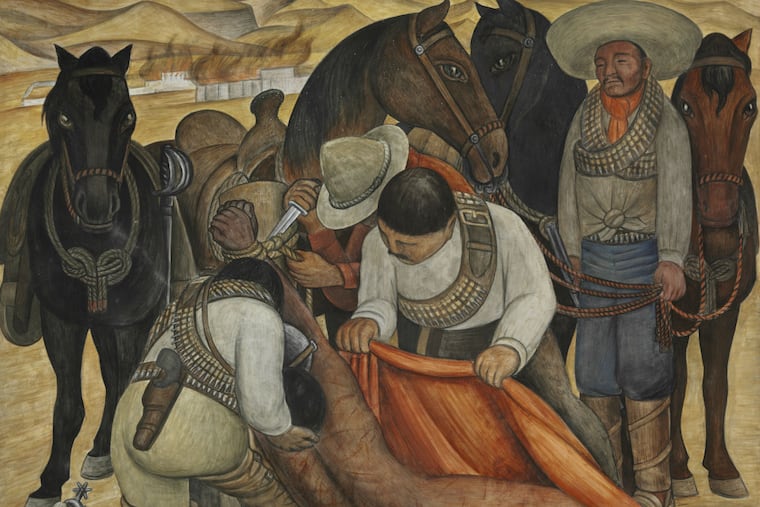
“Liberation of the Peon” (1931) by Diego Rivera is on view at the Philadelphia Museum of Art.
A meeting of worlds with Diego Rivera and Gabriel Garcia Márquez
a]:text-blue-mid [&>a]:no-underline [&>a]:hover:shadow-lightmode px-5 sm:px-4 font-medium”>The bright bluish-green stalks in Sugar Cane tower above the workers who hunch over, some attacking the crop with curved knives while others hoist overweight bundles onto their backs for transport. In the background, a white foreman reclines on a hammock above two sleeping dogs while another overseer is on horseback with his whip at the ready. The exploitation cuts across age groups, too, as a little Indigenous girl is pictured, helping her mother harvest papaya.
Advertisement
a]:text-blue-mid [&>a]:no-underline [&>a]:hover:shadow-lightmode px-5 sm:px-4 font-medium”>These artworks feel directly in conversation with the exquisite-yet-underrated show One Hundred Years of Solitude, the Netflix adaptation of Colombian author Gabriel Garcia Márquez’s 1967 masterpiece of the same name that just released its series finale this week. It’s a beautifully shot, profoundly magical, and deeply tragic story following multiple generations of the Buendia family.
the Banana Massacre of 1928 — and mirrors the kind of greed-fueled brutality that Rivera captured in his paintings.
Philadelphia Museum of Art; ‘One Hundred Years of Solitude’ is streaming on Netflix.
Advertisement
I’m The Inquirer’s Pop Music Critic. I cover Philly music makers of all genres, spotlighting local acts on the rise, telling stories from throughout the city’s rich music history, and reviewing big-name touring acts when they come to town.
I write about arts, entertainment, and culture in Philly, covering everything from movies, TV, theater, and museums to local artists and fascinating art mysteries.
I cover the local arts scene and how it speaks to issues of race, gender, fashion, culture, and wellness. I critique pop culture, especially fashion, television, movies, and books.