I have said here often that while I believe my photographs have an aesthetic, maybe even a distinctive “voice,” I do not think of myself as an artist.
My sense of composition, light, and perspective might be recognizable (by friends anyway) but I think that what separates me — a journalist — from artists is purpose.
I am motivated by communication, not personal expression. I am conveying information; an artist is driven by inspiration.
I bring my own sensibility to what I see, but my pictures are not about me. They are about bringing the subject, the situation, or the story to our readers. My personal style is there, but it’s just the means to the end. Trying to make something that stands out amid all the noise competing for readers’ attention. Getting them to pause long enough to read the stories my colleagues write. And then stay even longer to maybe look deeper into what I contribute with my visual reporting.
That doesn’t mean I don’t ever take pictures just for fun. Or of family or on vacation. Or even to explore something meaningful only to myself. Sort of like an artist.
But I seldom take pictures just for the sake of taking them. There’s always that purpose thing. There has to be a reason to photograph something; or at least the possibility there could be a reason someday.
Even if I am not working on a specific assignment, I am always looking. If I see something that doesn’t fit today’s story, maybe it will illustrate an issue a reporter writes about next week, next month, or even next year.
I am always photographing with Inquirer readers (and reporters and editors!) in mind, thinking of how a picture might contribute to a story that has yet to be told. Otherwise known as a file or stock photo; a piece of visual reporting waiting for just the right context.
But having a real reason to visually explore our city is always a bonus. Like Market East when the Sixers new arena was proposed (and approved by Council) or Independence National Historical Park as the nation’s 250th approached.
Visually exploring our city is how my photo fun over the past few months came about.
Peter Dobrin, our classical music and arts reporter DM’d me, “I’ve been thinking about Duchamp, and wondered if you might be interested in working on something together.”
The first Marcel Duchamp retrospective in 50 years opened at the Philadelphia Museum of Art, and Peter suggested we keep an eye out in our travels around the city for “accidental art — utilitarian pieces that are unintentionally beautiful or interesting.”
The French artist called such finds “readymades,” a term he invented to describe ordinary, mass-produced objects that he selected and presented as works of art. His revolutionary idea was that the definition of art depended not only on the object itself but also on the artist’s intention and the viewer’s interpretation.
Exactly what I look for every day! What could be a better “purpose thing?”
The result is presented tomorrow as a two-page center-spread in the Sunday Inquirer, and also online (I will add the link here after it posts).
In 1917, Duchamp submitted an ordinary porcelain urinal that he bought, altered slightly, and put on display to rankle and humble the stuffy art world.
So, of course, as Peter writes, an exercise like ours “wouldn’t be complete without a nod to Duchamp’s most notorious achievement… a landmark of 20th century art — the ultimate statement that anything could be art, made ultimate by its absurdity.”
Worried that not everyone would recognize the important philosophical question Duchamp raised with his Fountain I was careful to check under every stall in every public restroom I entered to make sure I was alone before I started photographing.
Lasty, keeping my sports photographer creds active, I got to photograph the Philadelphia Marathon on Sunday and made the paper’s weekly “Best Of” sports photo gallery, The Big Picture.
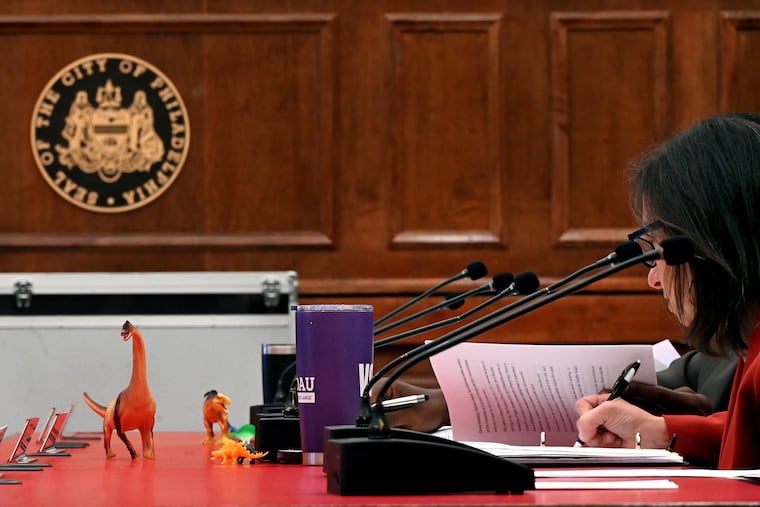
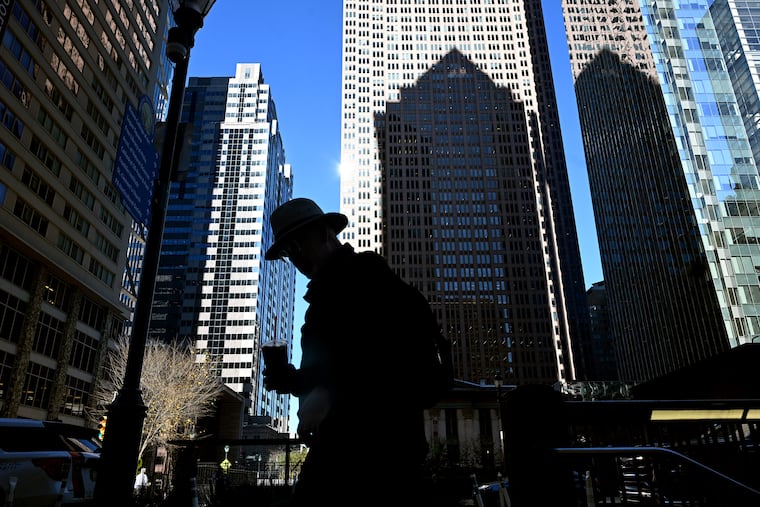
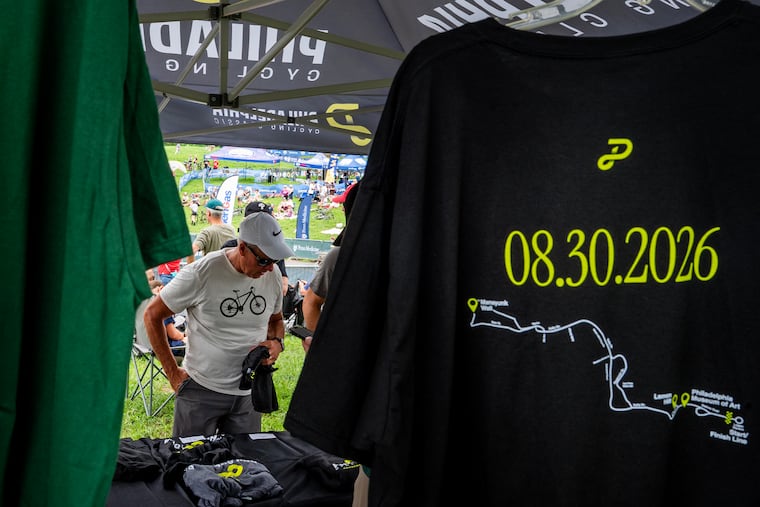
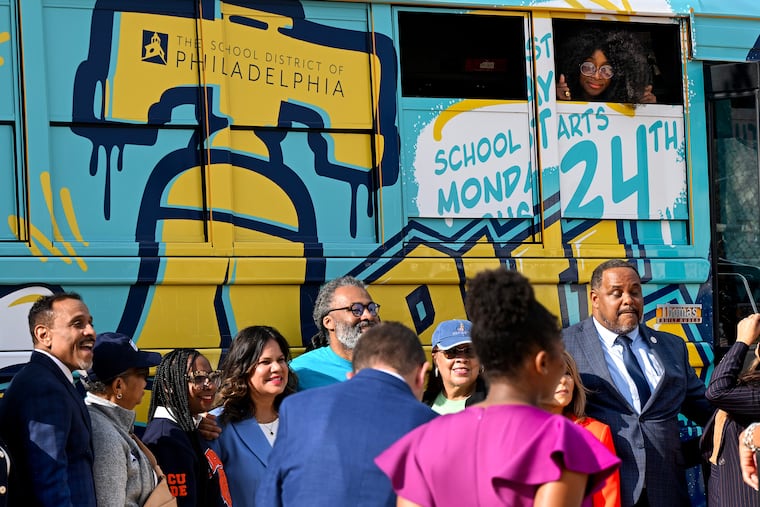
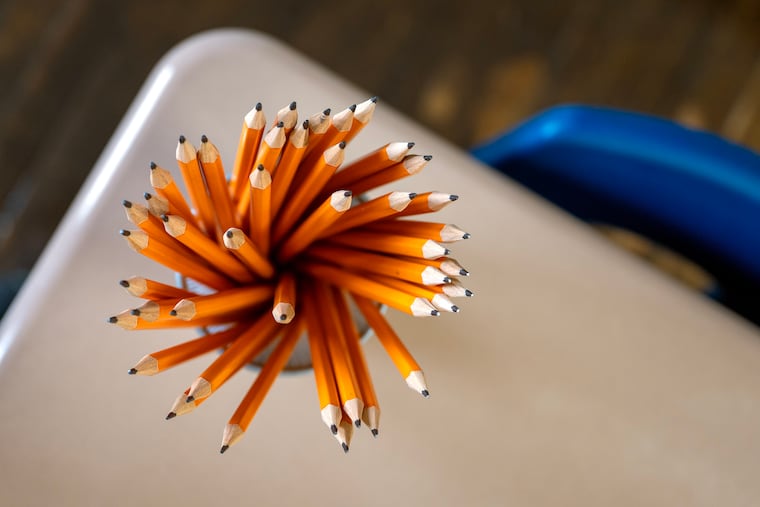
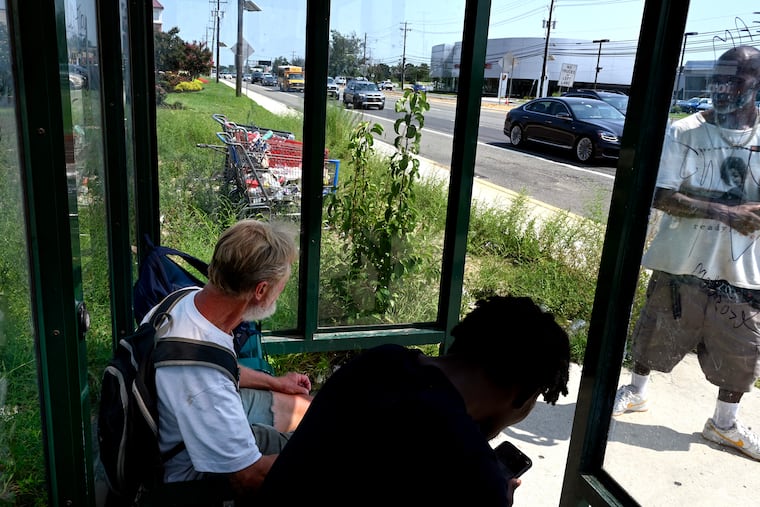
Since 1998 a black-and-white photo has appeared every Monday in staff photographer Tom Gralish’s “Scene Through the Lens” photo column in the print editions of The Inquirer’s local news section. Here are the most recent, in color:
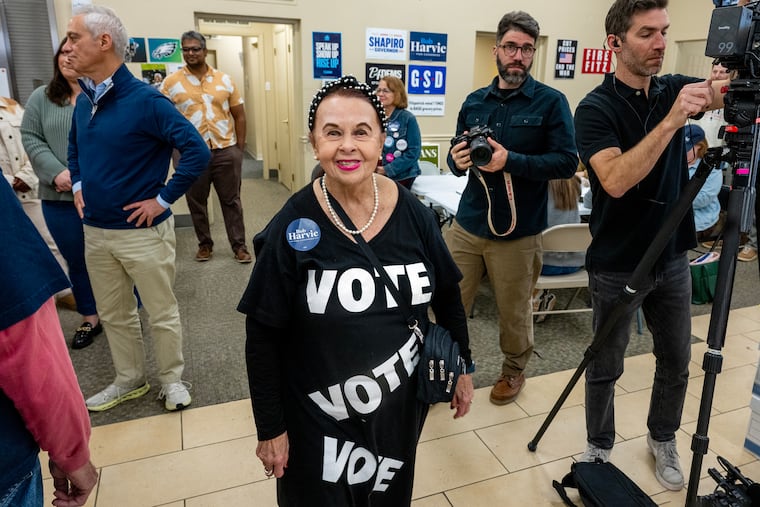
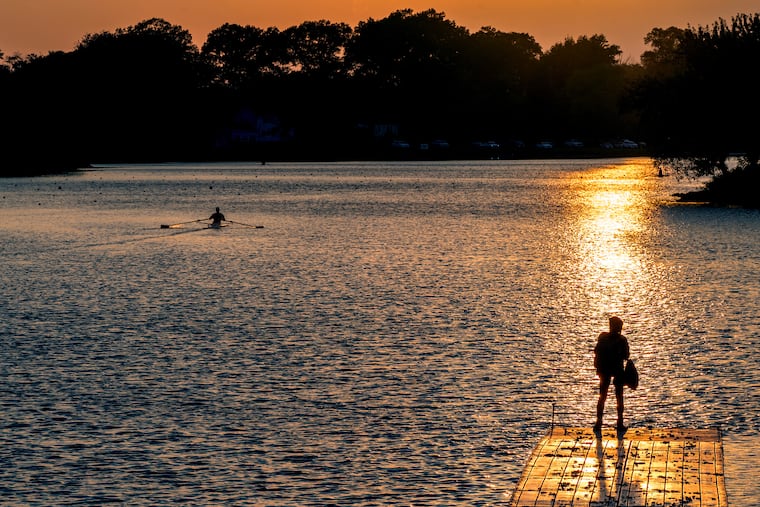
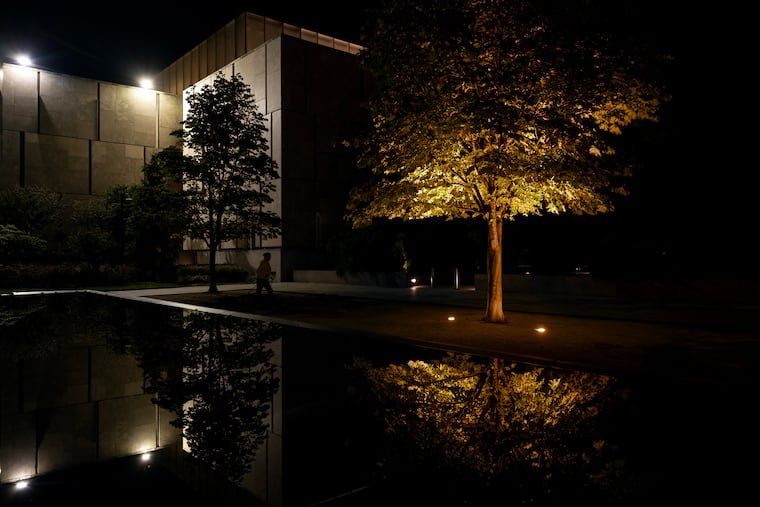
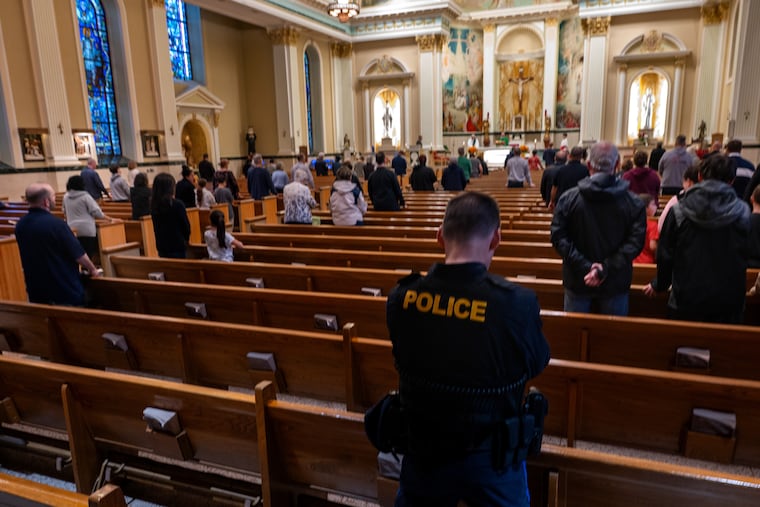
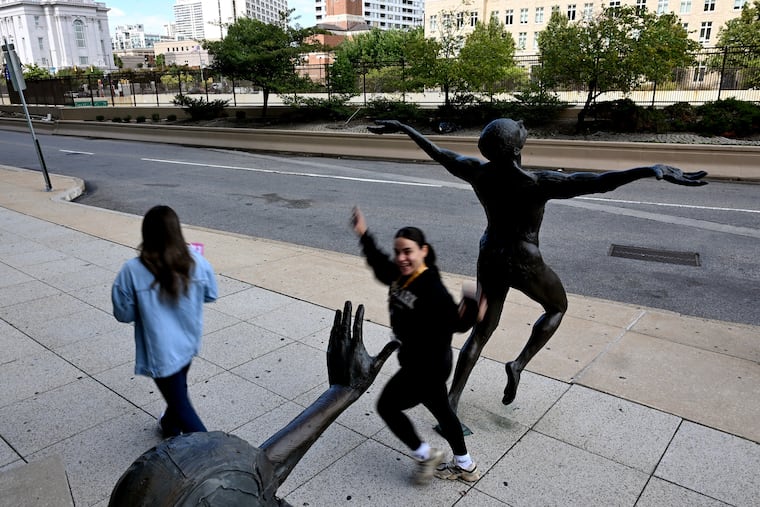
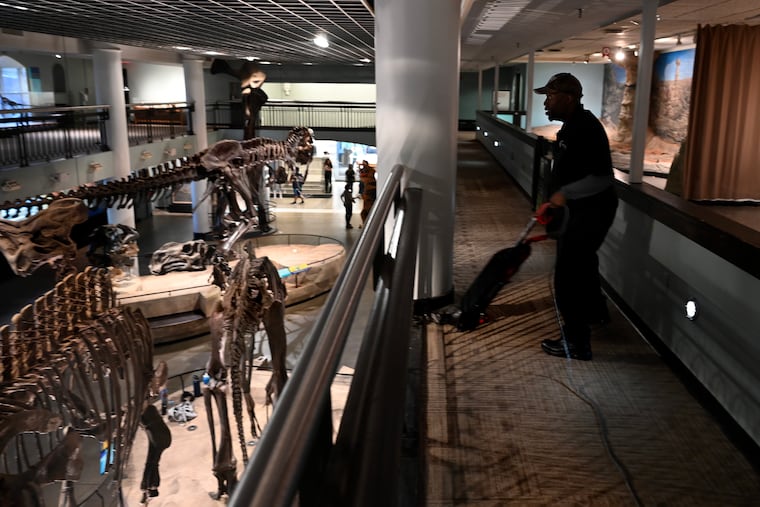
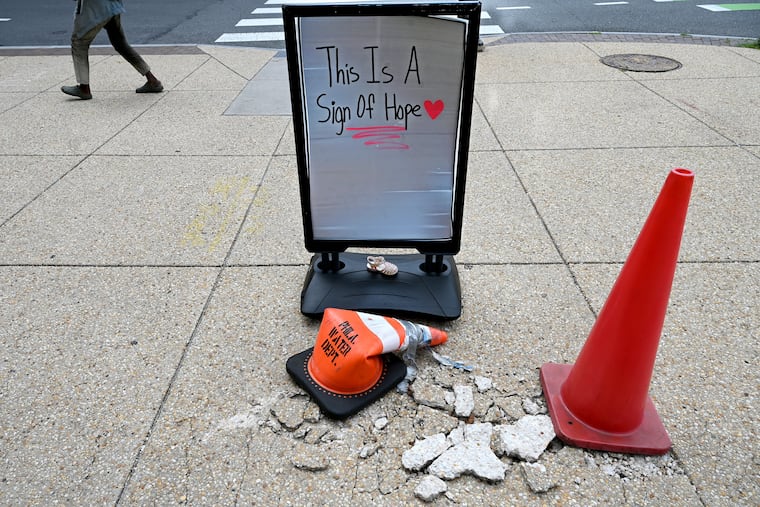
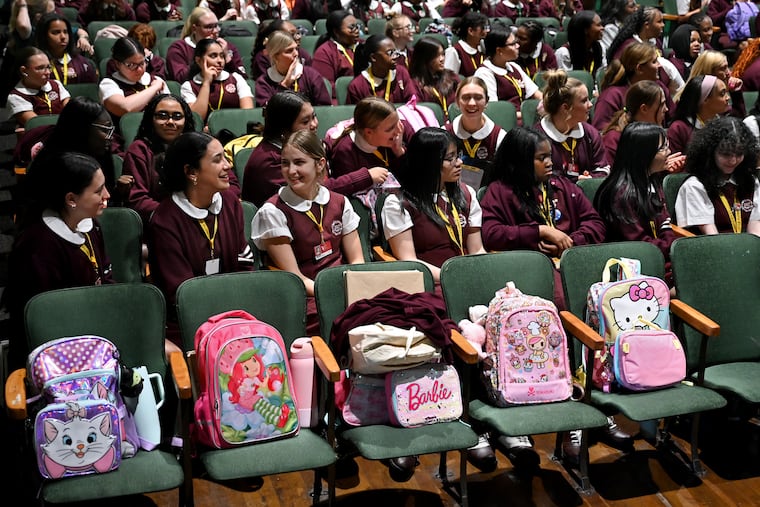

Read moreTom Gralish / Staff Photographer
» SEE MORE: Archived columns and Twenty years of a photo column.