
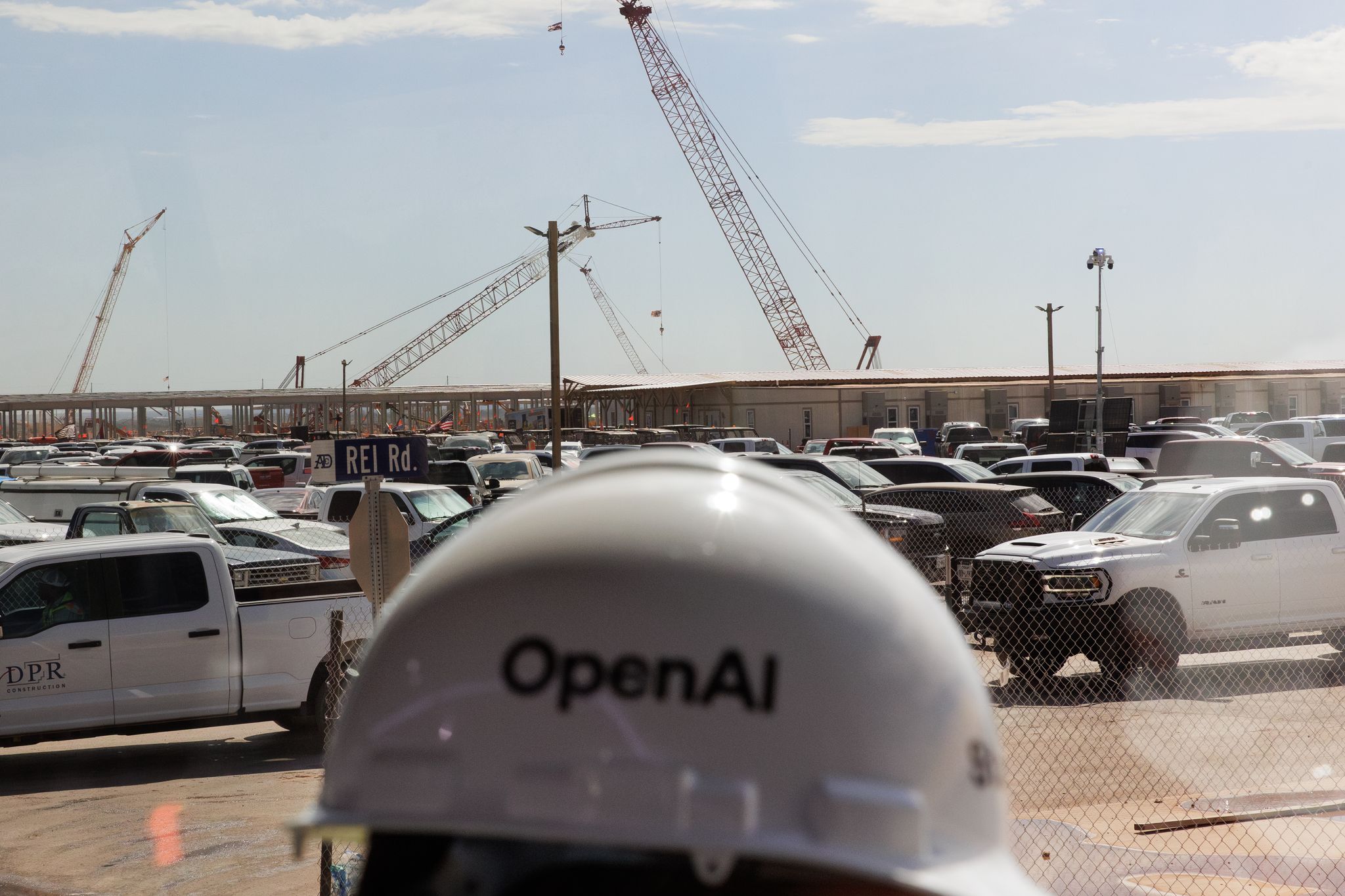
Artificial intelligence data center development is rapidly expanding in Texas, but so too are concerns about whether the state’s environmental agency, the Texas Commission on Environmental Quality, can effectively regulate the industry.
Texas will soon lead the nation in the number of data centers, with Dallas-Fort Worth as the epicenter of resource-intensive operations. State leaders, including Gov. Greg Abbott, are touting the economic benefit of massive AI data centers, while handing over billions in tax breaks to tech industry giants in recent years.
If you’re one of the many Texans concerned about Big Tech’s rapid expansion, the TCEQ’s most recent performance metrics may give you reason to wonder if it is up to the job.
TCEQ issues the permits that AI data centers need to operate gas-powered turbines and diesel generators and to discharge wastewater from cooling operations. Issuing permits isn’t a problem for the state regulator, which handed out 9,000 new permits last year, according to the agency’s own reporting. But one of TCEQ’s primary functions – and struggles – is conducting on-site compliance inspections.
In 2025, the agency conducted the fewest on-site inspections in eight years, including years when the pandemic made in-person investigations challenging. Each year, it performs fewer total inspections. In 2025, there were 3,600 fewer inspections than in 2024 and 5,200 fewer than in 2023, based on annual enforcement reports.
The agency also lagged in response to reported environmental concerns, another core function, which typically comes after significant delays, if at all. In 2025, the agency received 9,200 complaints. More than 2,000 of those came from the Dallas-Fort Worth area, the most of any region. TCEQ responded to just 300 of those complaints in 24 hours. More than half of the complaints took 30 days or longer for an initial response.
When a facility violates its permits, the TCEQ’s enforcement process is slow, often taking several years. The agency has a backlog of nearly 1,400 enforcement cases and resolved just 39 last year, according to the agency’s internal reporting. It will take 35 years to clear the backlog at that rate.
For neighbors wanting to challenge data center permits, there’s more bad news. TCEQ commissioners regularly dismiss public comments on permits and rulemakings and deny hearing requests for permits to undergo additional scrutiny.
TCEQ’s own annual performance metrics are modest, aiming for just 43% of Texans to live in areas where air quality meets federal standards and for just 55% of Texas’ surface waters to meet water quality standards. The agency fell just short of both those goals.
Other outcomes are far more concerning, especially given that state agency budgets are performance-driven. In one example, the TCEQ aimed to reduce wastewater pollution dumped into state waters and missed its goal by 110%. TCEQ also missed its goal of reducing air pollution in areas that already fail to meet federal air quality standards by 147%.
While state leaders might see data centers as the future of economic growth, it’s clear: Every permit the TCEQ issues is one more than it can effectively regulate.
If you ask TCEQ’s leadership about the agency’s performance, they would likely tell you what they told us at Public Citizen, a consumer advocacy nonprofit. During a recent hearing, Abbott-appointed TCEQ Chair Brooke Paup told us at a March 11 public hearing that she found Public Citizen’s requests that TCEQ leadership improve the agency’s poor performance “incredibly offensive.” At a subsequent meeting, Paup interrupted public comments to reiterate she was still “very offended.”
Commissioners don’t have similarly strong words for permit applicants seeking massive authorizations to pollute the environment.
Commissioners don’t seem put off when denying neighbors the legal standing to receive hearings on the potential harms of proposed permits.
Commissioners don’t protest loudly when approving paltry fines against the worst polluters in our state.
We can only assume that TCEQ’s commissioners are more offended by hearing their own performance data than by signing off on the pollution that harms Texans.
Unfortunately, that’s not a problem AI can solve.
Kathryn Guerra is the TCEQ Watchdog Campaign director for Public Citizen.
Have thoughts about this? Send a letter to the editor using our letters form or email letters@dallasnews.com. Letters should be no more than 200 words and include the first and last name of the writer and city of residence.