
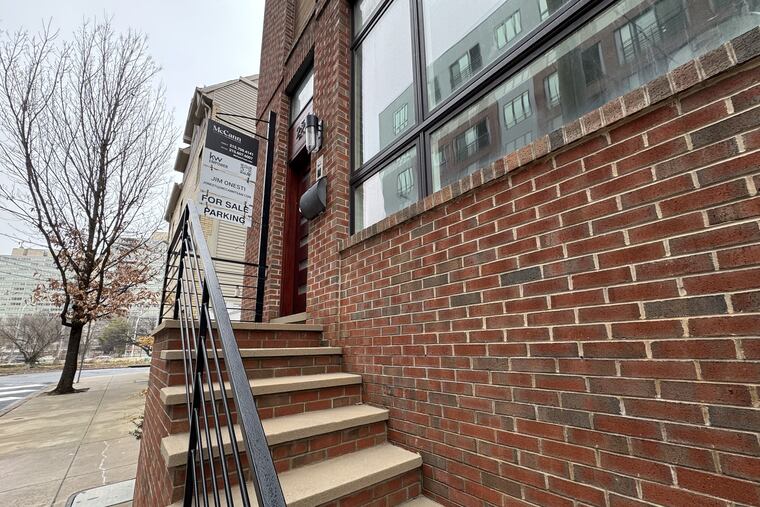
Homebuyers in the Philadelphia region started the year with more purchasing power.
The typical family in the Philadelphia metropolitan area could comfortably afford to pay roughly $31,000 more for a home in January than at the same time last year, according to an analysis by Zillow. So a household making the median income of $96,000 could afford a home that costs about $346,800.
That’s not because families are making much more money. Household incomes did grow a bit faster than home values in the Philadelphia region over the last year, but lower mortgage interest rates are what’s driving improvements in affordability, according to Zillow.
In the final week of January last year, the average interest rate for a 30-year, fixed-rate mortgage was 6.95%, according to Freddie Mac. It was 6.10% at the same time this year.
Monthly housing payments are down 3% from a year ago in the Philadelphia region.
“It’s good news, because potential buyers are in a better financial position to act than they were a year ago,” said Orphe Divounguy, a senior economist at Zillow. That should mean more buyers will get off the sidelines as the spring housing market ramps up.
In January, more than half of listings — about 52% — were affordable for Philadelphia-area households making the median income, up from 47% last January.
But affordability is still “very much” a challenge across the country, including in the Philadelphia region, Divounguy said. Here, the housing supply is essentially the same as it was a year ago. Homes are selling faster than additional homes are being listed for sale in the region, which he called “supply starved.”
Demand outpacing supply keeps prices elevated and home sellers in the driver’s seat.
For households that want to purchase a home, “the time to act is now,” Divounguy said, before more buyers enter the market over the next few months during the traditionally busy spring season.
In Zillow’s affordability analysis, the company considered homes affordable for median-income households if they would spend no more than 30% of their monthly income on mortgage payments, taxes, and insurance.
Calculations were based on homebuyers who can afford to make down payments of 20%. According to a 2025 report by the National Association of Realtors, the median down payment among all buyers was 19%. It was 10% for first-time buyers and 23% for repeat buyers.
So although lower interest rates have helped make homes more affordable, first-time buyers are still in a tougher position than those who have already purchased a home.
When mortgage interest rates drop, buyers in expensive housing markets save the most money. A median-income household in the San Jose, Calif., metropolitan area had almost $74,000 more to spend in January than last year. That was the largest increase in purchasing power among the major metro areas Zillow analyzed.