
Americans’ loss of faith in our institutions of higher learning can be traced to more than one cause. The ever-rising cost and concerns about how degrees translate into jobs are two common worries.
But the one we hear most often is the sense that universities have become too committed to political and social ideology at the expense of a genuine search for knowledge, wisdom and truth.
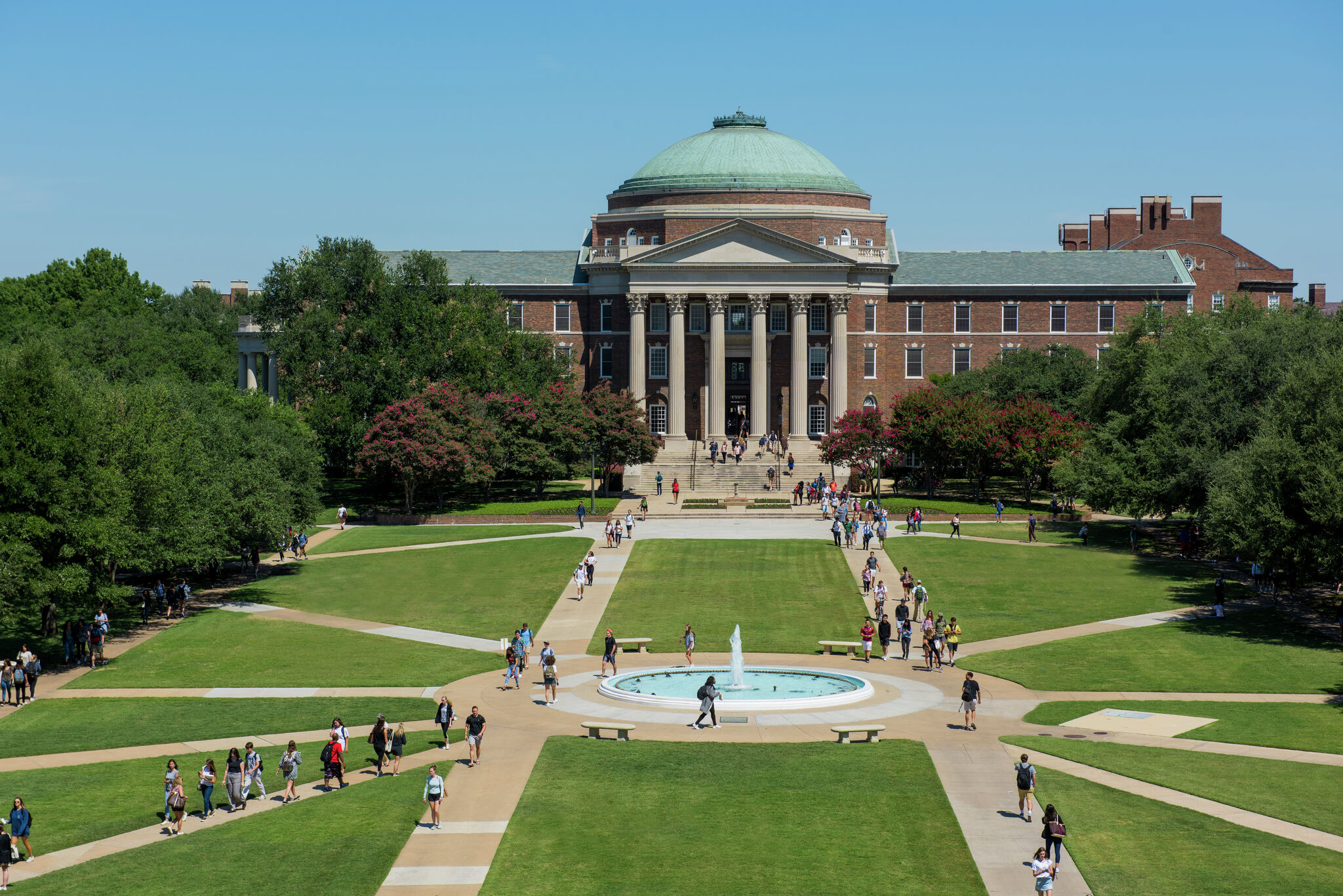
That’s why Southern Methodist University President Jay Hartzell is absolutely right to reaffirm and strengthen the university’s commitment to institutional neutrality. In late April, Hartzell sent a letter to the SMU community that sets clear standards for the support of free expression, open and robust debate and a commitment to being a place where facing difficult ideas is welcome in the name of education.
“Our differences may lead to disagreement or even offense at times, but they also add to the richness of our intellectual pursuits. The opportunity to wrestle with challenging ideas while being confronted with differing, well-reasoned, and supported points of view is part of what makes a top university such a special place to work,” Hartzell wrote.
To ensure that such a university can exist, leaders must resist the temptation to put the institution’s stamp of approval or disapproval on the hot political topics of the day. Too many university presidents have officially endorsed controversial political movements. Hartzell’s insistence SMU not follow that path protects the school and its students from being wrapped up in the political division du jour.
Hartzell has also formalized the university’s practice of being a place where debate and demonstrations are orderly and peaceful. Too many times on American campuses, speakers whom students or faculty disagree with (almost always conservatives) have been bullied, threatened or shouted down. Hartzell is protecting SMU from becoming a place where the heckler’s veto silences speech.
We also support his decision to ensure that the university’s windows remain clear of signs, flags and other materials of all sorts. This policy is speech neutral, but it rightly prevents students, faculty or anyone else from using public-facing spaces for political advocacy.
Such signage is used in too many universities, often by faculty, to clearly signal right-think. Such signals chill the open discussion necessary for students of all backgrounds to be able to ask questions and learn without a burden of fear that they may say the wrong thing.
Hartzell is sure to take heat for his decision, both from politicized faculty and students eager to proselytize and from free-speech libertarians who believe a university should impose no limits on expression.
But SMU’s president has struck a fair and appropriate balance that places SMU as an institution outside of the political fray even as he enhances its capacity for the full exploration of difficult ideas.
That’s what our young people deserve from a university, and it’s what most Americans expect.
Have thoughts about this? Send a letter to the editor using our letters form or email letters@dallasnews.com. Letters should be no more than 200 words and include the first and last name of the writer and city of residence.