
Texas is in a historic moment, growing faster than its energy grid can keep up. New families arrive each day as local infrastructure struggles to scale fast enough. Data centers are multiplying at a rate the world has never seen. Oil fields and refineries from Midland to the Gulf Coast anchor our energy economy. And in places like Corpus Christi, water is running out. Texas has never faced a moment as consequential as this, and its infrastructure isn’t ready for it.
While there is never a single silver-bullet solution, nuclear energy offers Texas a clean, reliable, scalable path to meet energy, water and economic challenges while strengthening our local communities.
The Electric Reliability Council of Texas (ERCOT) faces pressure from every direction. Population growth drives constant demand across suburbs, cities and rural towns alike. Summer heat pushes air conditioning to its limits, while winter storms expose supply gaps. Industry requires steady power to operate refineries, chemical plants and export terminals along the Gulf Coast. These facilities do not ramp down when clouds roll in or winds slow.
Meanwhile, new data centers will soon run continuously, supporting financial systems, artificial intelligence and national security infrastructure. The point is, interruptions carry real economic and strategic risk. Yes, wind and solar play a role, but they depend on weather and time of day, and their energy storage remains limited and expensive at scale. Natural gas carries much of the load, though price volatility and fuel constraints create uncertainty during peak demand.
In contrast, nuclear energy runs day and night, in heat and cold, without pause. Reactors provide firm, predictable output, which grid operators can rely on during moments of stress. Advanced designs allow placement closer to demand centers, which reduces transmission bottlenecks and limits land use conflicts. Reliable power keeps homes cool in August, keeps hospitals running without interruption and keeps factories producing goods Americans depend on. A stronger grid begins with power sources built for consistency.
Water scarcity now shapes daily life in parts of Texas. In Corpus Christi, concern over long-term supply has moved from background noise to the reality of daily life. Nuclear energy can support large-scale desalination, turning seawater into a usable supply for cities and industry.
This approach brings independence and stability to regions facing chronic shortages. A single facility can produce both power and water, anchoring entire communities with reliable infrastructure.
While the U.S. does not have a nuclear power plant with desalination capabilities, there are operations in Kazakhstan, India, and Japan. Because nuclear energy produces such reliable energy on a large scale, it can power these crucial desalination projects.
Texas has always solved resource challenges through engineering and grit. From irrigation systems in the Panhandle to pipelines stretching across the state, Texans have always built what they need to thrive. Nuclear energy continues this tradition. It offers a way to secure water and power without placing new strain on land or existing resources.
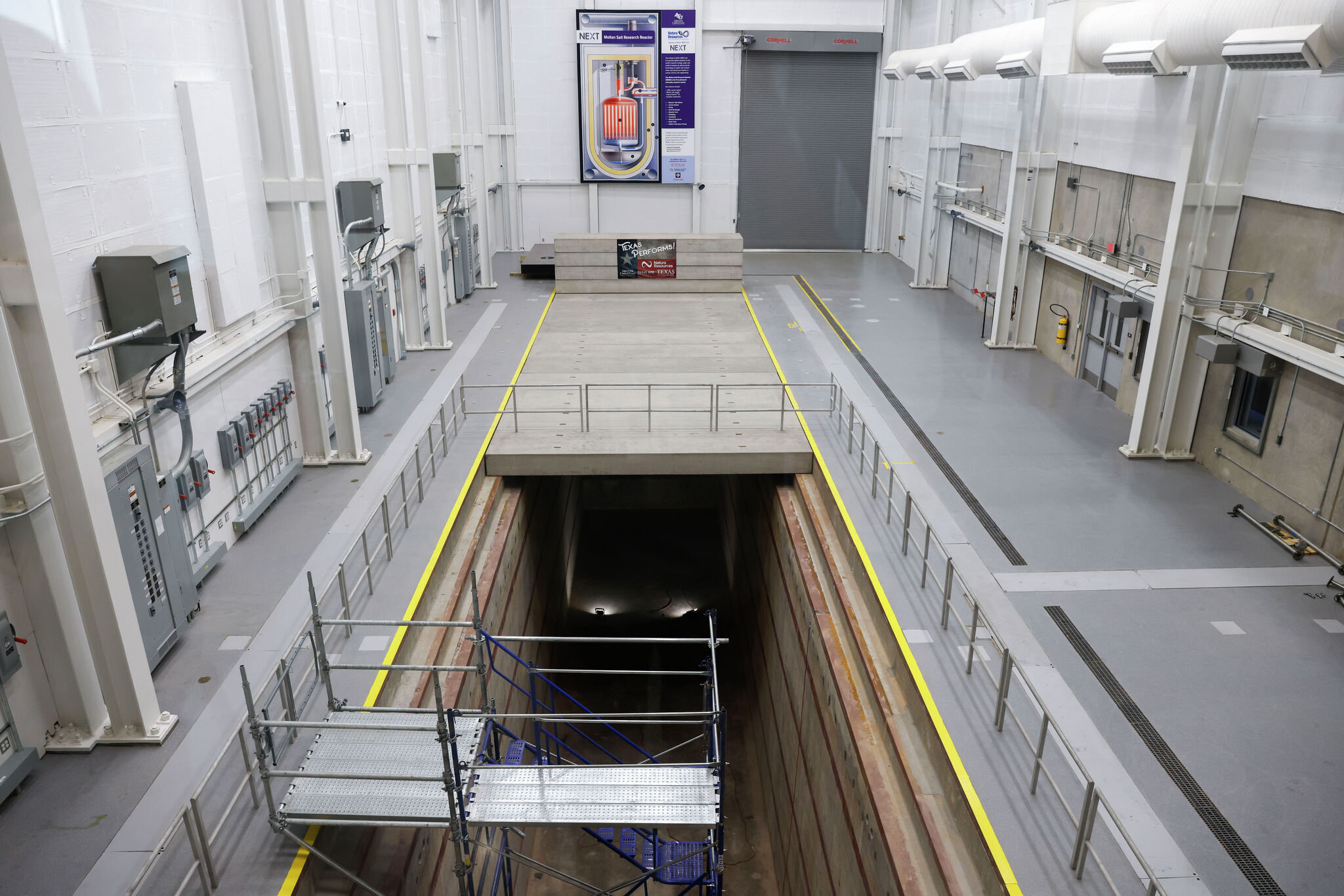
Across Texas, a new generation is stepping forward to build this future. At Abilene Christian University, students and researchers are working to bring an advanced reactor online that should be fully functional later this year. Their work reflects a broader movement grounded in local leadership. In West Texas, oil and gas workers understand drilling, geology and complex systems. Those skills transfer into nuclear development and operations. Rural communities once tied to coal or declining industries can find new purpose in hosting and maintaining advanced reactors.
These projects bring steady jobs, long-term investment and pride in building something durable. American Conservation Coalition members advocate for streamlined permitting and zoning reform to help projects move from paper to reality.
Texas has led American energy for generations. Oil fields, pipelines and refineries built the modern state and powered a nation. Each era required Texans to adapt, to take risks and to build infrastructure capable of meeting new demand. Nuclear energy stands ready as the next step in this lineage. It provides clean, firm power for a growing population, supports water production amid shortages and creates opportunity in communities ready for investment.
This is a continuation of classic Texas values: work, self-reliance and stewardship of resources. Texas has never waited for permission to lead, and nuclear energy gives the state another chance to do what it has always done best.
Stephen Perkins is the chief operating officer at the American Conservation Coalition.
Have thoughts about this? Send a letter to the editor using our letters form or email letters@dallasnews.com. Letters should be no more than 200 words and include the first and last name of the writer and city of residence.