
For nearly two decades, Puentes de Salud has provided low-cost medical care to Philadelphia restaurant owners and workers who lack health insurance. Next week, seven restaurants will return the kindness.
Casa México/South Philly Barbacoa, El Chingón, Tequilas, El Merkury, Café Tinto, Mucho Perú, and Amy’s Pastelillos will provide food for Bridges to Our Roots, Puentes’ first large-scale fundraiser since a 2016 campaign for its health and wellness center. It is also the nonprofit’s first major fundraiser for general operations rather than a specific project, said Orfelina Feliz Payne, Puentes’ chief executive officer, and it comes as the nonprofit’s medical clinic is seeing lines form outside its doors for the first time.
Puentes primarily serves Spanish-speaking immigrants in Philadelphia and the surrounding area who are uninsured or have recently lost insurance. It also treats uninsured patients who do not speak Spanish.
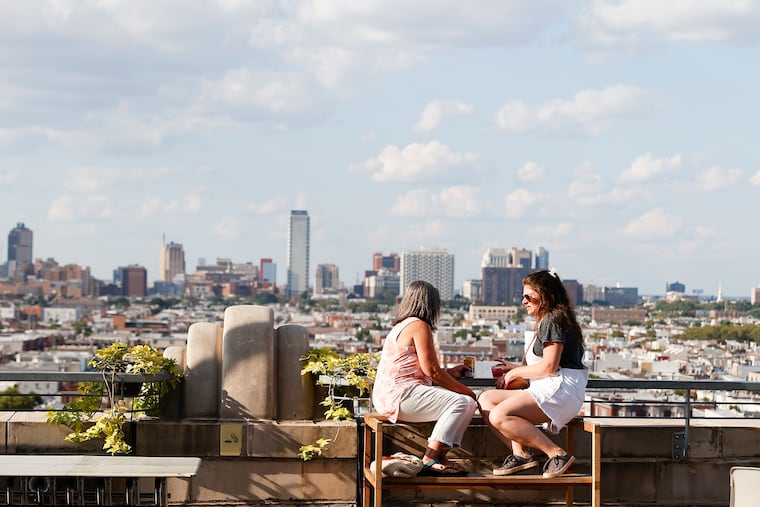
The fundraiser will be held from 5 to 9 p.m. Monday on the rooftop of the Bok Building, 800 Mifflin St. Tickets are $75.
The idea for a restaurant-centered fundraiser came from Juan Carlos Aparicio, chef-owner of El Chingón in South Philadelphia and Fishtown. Development director Juan Marco Álvarez initially approached Aparicio last year about helping with a smaller event that might draw 30 to 50 people. Aparicio urged him to wait and develop something larger.
“There are many people in the Hispanic community, especially those who work in hospitality — restaurants, little cafés, and farms,” Aparicio said. “Everyone goes to work, but many of those people don’t have adequate insurance, so they cannot obtain good-quality medical treatment.”
Aparicio said he and members of his family had used Puentes’ services after arriving in Philadelphia. He offered El Chingón as the first participating restaurant, started a group chat with other restaurant owners, and called others to recruit them. US Foods agreed to donate products.
The restaurants represent Mexican, Central American, Colombian, Peruvian, and Puerto Rican cooking. Aparicio said organizers intentionally sought a mix rather than limiting the event to one nationality.
“We wanted this to represent the entire community,” he said.
The program also will include Mexican, Colombian, and Cuban dance performances; salsa and bachata lessons from Mike Andino of Estilo Dance Studio; a DJ; and an installation by Philadelphia muralist César Viveros.
A festive fundraiser at a critical time
The event comes as Puentes faces rising demand for services and greater competition for the grants that provide much of its annual budget of about $3.1 million.
Foundations had supplied about 70% of Puentes’ funding, with individual donations providing the rest, Payne said. The organization has been working to increase individual giving and sponsorships as groups that lost federal support compete for many of the same foundation grants.
“The grant environment is really competitive,” Payne said.
Puentes operates medical and dental clinics at 1700 South St. in a building it rents from the University of Pennsylvania for $1 a year. It also provides behavioral healthcare, a food pharmacy and other food-access programs, case management, education, and after-school support.
Patients generally pay $20 to $35 — about the cost of a typical insurance copayment — to see a physician, nurse, or specialist. The nurse-managed clinic has six medical staff members and works with about 250 volunteer students and providers annually, many from area universities and hospitals. Penn is its primary institutional partner.
About 15,000 people came to Puentes last year for services including medical and dental care, Payne said. Its medical clinic recorded about 8,000 appointments, a figure expected to reach 10,000 this year.
Until about two years ago, Puentes had not seen people line up outside its building, Payne said. The first lines were for its food pharmacy and free groceries. About a month ago, lines began forming for medical care.
“You can see those things happening as political changes occur,” Payne said. “As people fall off Medicaid and lose access to medical insurance because of their visa or naturalization status, we see the effects in real time.”
Founded in 2008, Puentes previously held smaller, targeted fundraisers. Its only comparable large-scale campaign raised money for the South Street facility, which opened in 2016.
Payne said the connection between Puentes and the restaurant industry is natural. Restaurant employees turn to the clinic when they cannot obtain care elsewhere, and some participating owners have received treatment there.
“A number of them have received care here themselves over the years,” Payne said. “They also know we’ll be here for them if they need anything in the future. It’s a partnership that we’re really grateful for.”