
A new bipartisan effort could create a national ban on cellphones during the school day, the most sweeping attempt yet to keep screens out of classrooms.
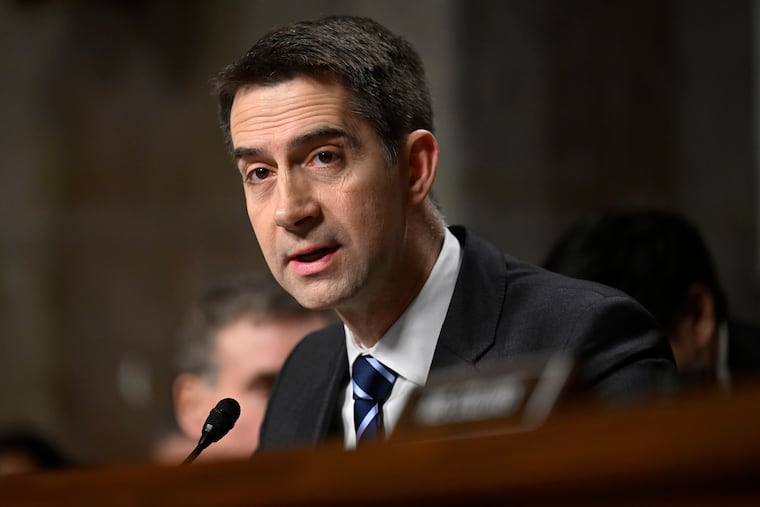
The bill, filed Wednesday by Sen. Mark Kelly (D-Arizona) and Sen. Tom Cotton (R-Arkansas), would send money to states that adopt policies barring students from using personal devices – including cellphones, smartwatches, tablets and similar technology – during the school day.
If the legislation is approved by lawmakers, states would be able to use the funding to enforce device bans, including paying for lockers, lockboxes or pouches for students to store their devices. The legislation makes exceptions for children who need devices for special education or medical needs.
“Arkansas kids deserve classrooms free of distractions,” Cotton said in a statement. “This bill would support Arkansas public schools that choose to tailor their classroom cellphone guidance to ensure students have the most productive school days possible.”
Cellphone bans have become popular in recent years, with most states enacting policies designed to restrict cellphone use in schools. Students are often required to stow their devices in lockers or locked pouches during the school day.
Supporters of these rules hoped keeping phones out of the classroom would help students focus, boost test scores and improve mental health. But the results have been mixed.
While cellphone bans have reduced unauthorized usage in schools, there has been little academic benefit, according to research by the National Bureau of Economic Research.
“There is clearly justifiable enthusiasm for school phone bans, but it’s important to recognize that building effective, phone-free learning environments does not appear to be a simple or quick fix,” according to Thomas Dee, a Stanford University professor and one of the authors of the report.
“The very early experience schools have with phone bans is sobering, but there are also indicators that as schools adjust to phone-free policies, the benefits of these bans may be realized,” he said in an interview posted on a Stanford website.
And, in some cases, teens reported using their phones more often at school, particularly at schools with lax enforcement, according to a Brookings Institution survey. Students in that survey also said cellphone bans had no impact on their happiness, stress or relationships with teachers.
A spokesperson for Kelly said the measure is intended to give schools the resources to make phone bans work and enforce them consistently. While no single policy will solve every challenge in the classroom, reducing distractions can help, the spokesperson said.
“Phones in schools have been a disaster for learning,” the senator said in a statement emailed to The Post. “Getting phones out of classrooms will mean fewer distractions and more time for kids to focus on their teachers and lessons. We’re giving schools the tools to make that happen.”
Some advocates continue to link cellphone use with grades. Amid declining math and reading scores among teenagers, more than half of public school leaders say cellphone usage hurts a student’s academic performance, federal survey results show.
The U.S. Surgeon General’s office has also warned that excessive screen use can lead to anxiety, depression, lower grades and weakened interpersonal relationships.