
To understand our state’s current thicket of hemp regulations and resulting lawsuits, you need a scorecard and several strong cups of coffee with no unusual ingredients. Hemp laws are a confusing mess, and the situation continues to grow more complicated.
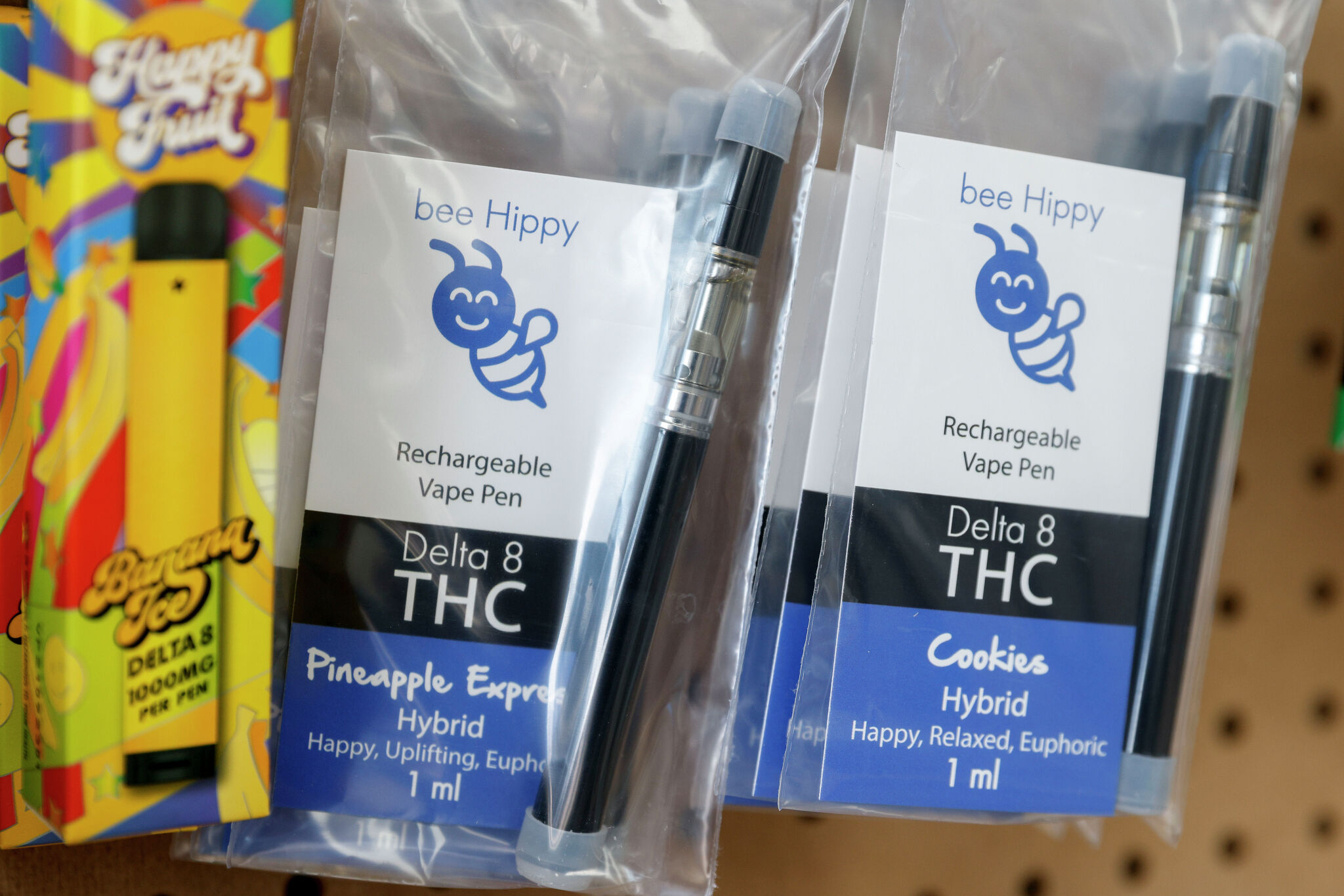
Last week, the Texas Supreme Court upheld the state health department’s authority to ban delta-8 THC, an intoxicating, hemp-derived compound. The new ruling reversed a previous, lower court decision that had blocked the regulations. Parents, police and legislators wanted stronger rules because of news reports that minors were able to easily buy delta-8 products at gas stations and convenience stores.
(Delta-9 tetrahydrocannabinol, the main psychoactive ingredient in marijuana, is already illegal except in trace amounts or for medical uses.)
However, the same day the Texas Supreme Court ruled in the state’s favor, a Travis County judge ruled against it in a different hemp-related case. That court agreed that the Department of State Health Services probably did not have the power to exponentially raise license fees for hemp shops and manufacturers and granted a temporary injunction. The state health agency had argued previously it had raised the fees from the low $100s, to $5,000 and $10,000 to cover the costs of administration and inspections.
Those new rules, which included a ban on smokable hemp, had been announced in late March but were on hold because a group of hemp companies appealed to the court.
Are you sober but confused? We are, too.
For readers who do not partake, here’s a primer: Hemp and marijuana belong to the same plant genus, Cannabis. The key distinction between them is that hemp contains only minuscule amounts of delta-9 THC, which is why some hemp products are legal. Marijuana has more delta-9.
Both hemp and marijuana contain cannabidiol (CBD), which is not intoxicating, but hemp has it in higher amounts. Laboratories process hemp-derived CBD into the intoxicant, delta-8 THC, which Congress unintentionally legalized years ago by not explicitly outlawing it in a farm bill.
Texas lawmakers tried to tighten hemp regulations last year but Gov. Greg Abbott vetoed the bill. Lt. Gov. Dan Patrick had argued for an outright ban on all THC products; Abbott wanted stricter rules but not a complete prohibition, a position this Editorial Board supported. After legislation failed, Abbott issued an executive order that bars sales to minors, requires more rigorous testing and accurate product labeling and stronger enforcement.
Texans need consistency and clarity in state hemp laws; what we have now is confusion. That makes it easy for people with dubious intentions, whether they’re rebellious teenagers or greedy criminals, to circumvent existing rules. They can credibly claim they didn’t realize they were violating a statute.
Likewise, those who are trying diligently to follow or enforce the laws struggle because of the ever-growing layers of rules, orders, court decisions and lawsuits. Legislators must tackle hemp regulation again next year.