
Restitution is crucial for helping victims break the cycle of addiction, exploitation and abuse by helping them obtain stable living conditions. The money also helps with critical needs such as food, housing, counseling, therapy, childcare, medical care and education.
It can make a difference in whether victims can recover or fall back into a cycle of victimization.
A 2023 national survey of human trafficking survivors revealed most have urgent unmet needs. The survey was conducted by Polaris, which operates the National Human Trafficking Hotline. The Washington, D.C. nonprofit said it’s been building the nation’s “largest known data set on human trafficking.”
Using focus groups and interviews, Polaris examined survivors’ attempts to repair their lives with help from existing institutional victim groups and networks. More than 450 survivors took part in the survey, making it the largest in the U.S., Polaris said.
More than 90% were victims of sex trafficking. The results were concerning and discouraging. Of respondents, 43% earned less than $25,000 per year. That jumped to 70% for those within two years of escaping their abuse. Many were saddled with debt, wrecked credit, criminal records and chronic health problems, the study showed.
“The social services system that is supposed to support them after trafficking is failing. Few have access to services — notably mental health and employment assistance — they need to heal and thrive,” the study found. “Survivors are living in poverty or near poverty far too often…Some work more than one job, and are struggling to make ends meet.”
The biggest need was affordable mental health services, Polaris found. Other difficulties included finding medical care, safe housing and employment.
“In short, existing systems that are supposed to prevent trafficking or support survivors are not working,” the study concluded. “In virtually every direction, survivors are confronted with barriers to achieving financial stability.”
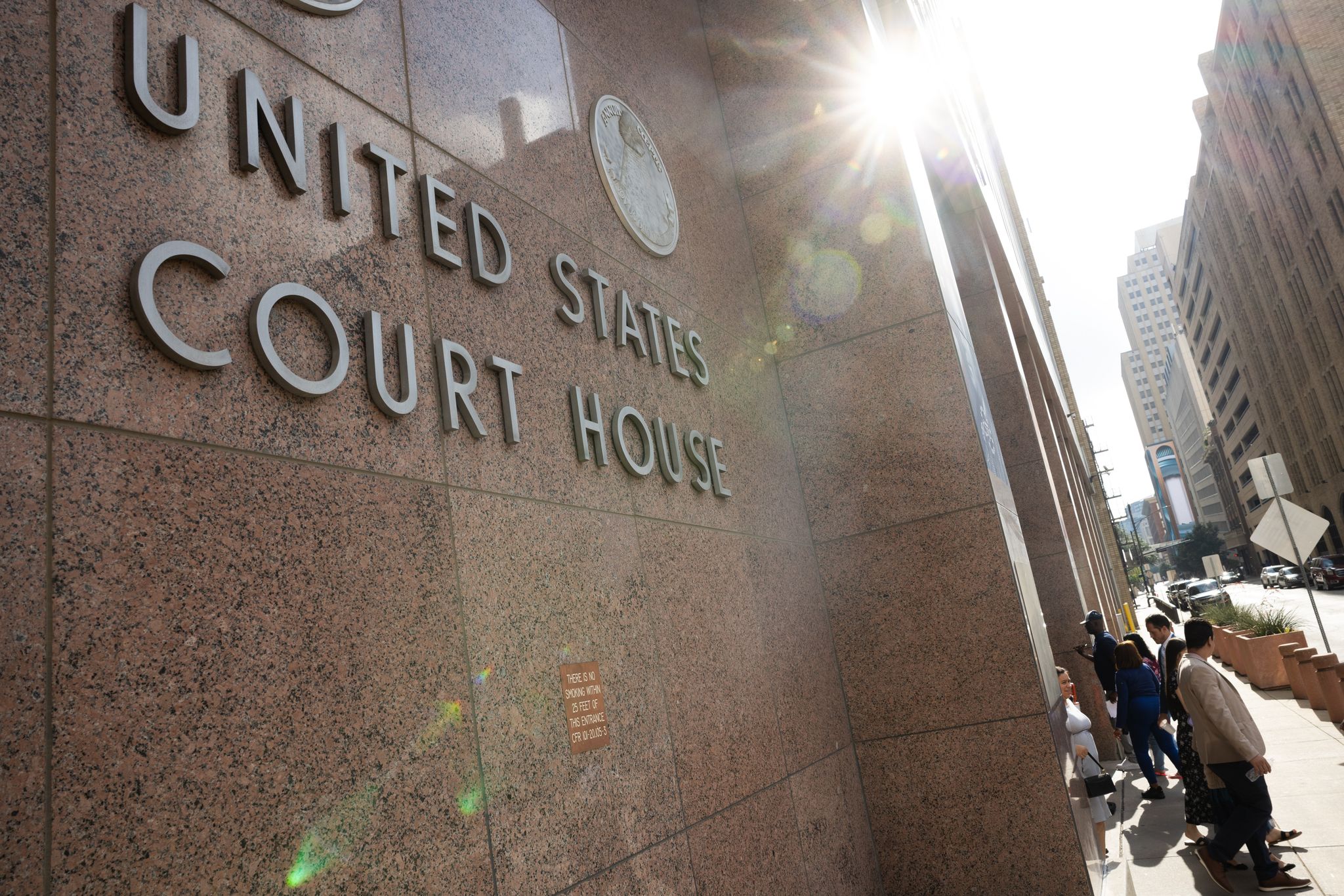
A Dallas Morning News investigation revealed that although federal law mandates restitution for child sex trafficking, it is ordered in just 6% of cases in the Northern District of Texas.
The News also could not find a single instance in Dallas County in which restitution was ordered in child sex trafficking cases prosecuted by local authorities — although restitution is also mandatory for such cases under Texas law.
Similarly, The News found human trafficking victims receive less than 1% of funds distributed from the state’s victim compensation fund.