
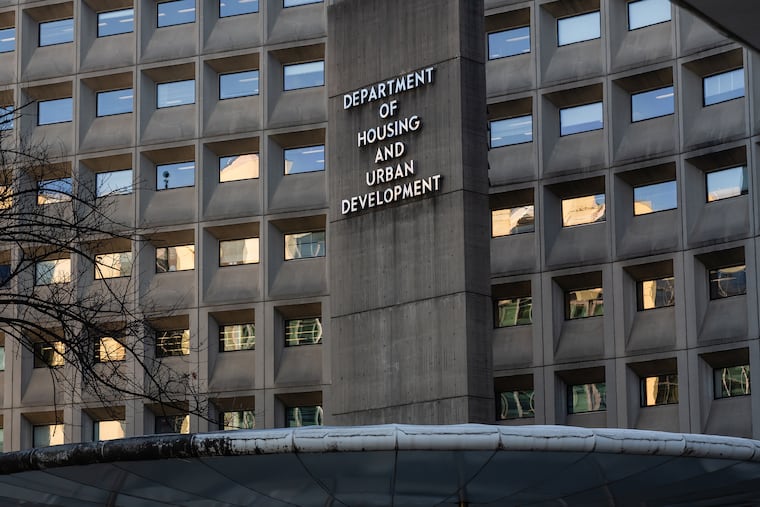
WASHINGTON — The Trump administration’s battle to transform homelessness policy suffered a new setback Friday when a federal judge blocked its latest effort to shift funding from housing aid to programs that require treatment for mental health or addiction.
The ruling came shortly before the administration was set to announce thousands of grants to nonprofit groups, and barred it from steering much of the annual funding to the treatment-centered efforts it favors. Since the treatment money would have come from existing housing programs, critics said large numbers of formerly homeless people risked being evicted.
The ruling is the third time that Mary S. McElroy, a federal judge in Rhode Island, has blocked the government’s efforts to rewrite grantmaking rules that control billions of dollars in annual aid. In reserving about a third of the funding, $1.3 billion, for treatment programs, the administration “exceeded its statutory authority,” she wrote.
With current funding about to expire and service providers awaiting decisions, McElroy gave the Department of Housing and Urban Development just five days to submit a new plan for disbursing the aid.
Ann Oliva, the CEO of the National Alliance to End Homelessness, one of the groups that sued the administration, estimated that 97,000 formerly homeless people could have returned to the streets if the housing money had been redirected to treatment programs.
“On behalf of communities across the nation working to address homelessness, we applaud this decision,” she said. “The core of this fight is about the effectiveness of permanent supportive housing. Safe and affordable housing ends people’s homelessness.”
HUD Secretary Scott Turner warned in a statement that the ruling “disrupts $4 billion for our most vulnerable, just days before funding awards were set to be made.” While he added that “our ‘Treatment First’ mission will not be deterred,” he did not say if the department would appeal.
The ruling is part of a battle over a policy known as Housing First, which provides homeless people long-term rental subsidies. It also offers them treatment for addiction or mental illness, without requiring them to accept it. The approach, which emerged several decades ago, once enjoyed bipartisan support. Studies show it generally succeeds in getting people off the street, though there is little consistent evidence that it improves mental or physical health. Critics say the housing is expensive and fails to address what they call the “root causes” of homelessness, like addiction or psychiatric disorders. They hold it responsible for the long-term growth in homelessness.
While the Trump administration has tried to create treatment mandates, McElroy has repeatedly ruled that its efforts violate statutory intent or procedural requirements. Since Congress created the program to provide housing, plaintiffs have argued, HUD lacks the authority to remake it around treatment efforts.
In addition to blocking the effort to move $1.3 billion into treatment, McElroy curtailed other changes that HUD had sought for the grantmaking process.
Her order barred the department from punishing groups that participate in so-called harm reduction efforts, like safe injection sites. It also barred the agency from promoting “self-sufficiency” by penalizing programs that help people get Medicaid, food stamps, and Supplemental Security Income.
Devon Kurtz of the conservative Cicero Institute, which opposes Housing First, denounced the ruling as “a brazenly political decision” that curtailed legitimate efforts to promote goals like cooperating with law enforcement and promoting self-reliance.
If the ruling stood, he said, it would constitute a “major setback” to the administration’s efforts to revamp homelessness policy. “I pray they appeal,” he said.
For front-line groups working with homeless people, the uncertainty over the funding rules has made a hard task harder.
“It’s incredibly disruptive,” said Vivian Wan, the CEO of Abode Services, a California housing provider in eight Bay Area counties.
If HUD succeeded in shifting the money into treatment programs, about 240 apartments the group operates for homeless people would have lost their funding, she said, potentially displacing many of the residents.
“It’s painful to wait for the courts — but not waiting for the courts would be far more harmful to the people we serve,” she said.
This article originally appeared in the New York Times.