Financing fear
The public is repeatedly warned that advanced artificial intelligence could threaten jobs, disrupt critical infrastructure, facilitate cyberattacks, and potentially evolve in ways its creators cannot fully control. Even leaders within the AI industry, including those building these systems, have sounded alarms about the risks.
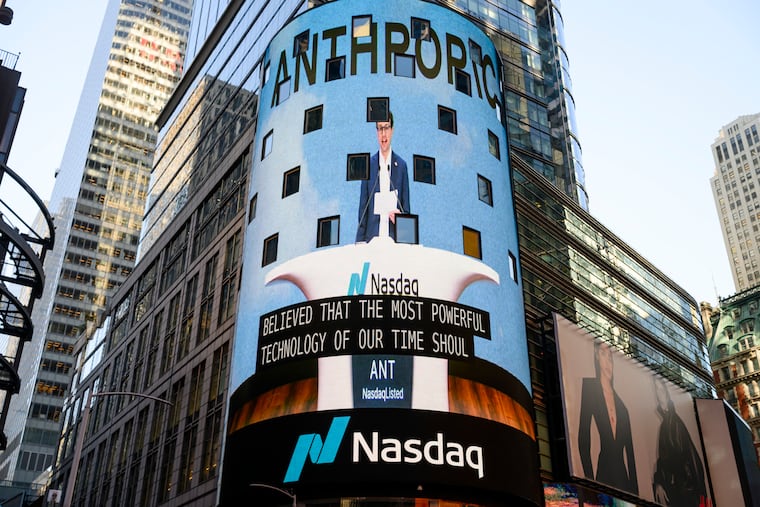
Yet, investors continue pouring billions of dollars into AI companies, celebrating each funding round and public offering as if there is no contradiction between the warnings and the enthusiasm.
If we genuinely believe there is a meaningful possibility that advanced AI could become dangerous, why are we financing its acceleration?
Imagine if a pharmaceutical company publicly acknowledged that a new drug might pose unknown risks to society, while simultaneously asking the public to invest heavily in expanding its production. Most people would demand independent oversight before writing a check.
With AI, we appear to be doing the opposite. We are funding first and regulating later.
Perhaps the experts are right, and AI will deliver extraordinary benefits. Perhaps the dangers are overstated. But if the risks are serious enough to warrant public concern, congressional hearings, and discussions of future safeguards, then they are serious enough to ask whether unlimited investment should precede meaningful guardrails.
It is difficult to understand how we can claim to fear the consequences while enthusiastically funding their arrival.
Steve Abramovitz, Cherry Hill
Unused tool
These three words make the biggest positive impact for children in foster care: guardian ad litem (GAL). Yet, I see no mention of this program in the substantial coverage by The Inquirer of Malayshia Allford’s killing.
I am a GAL here in Florida. And here’s a shocker: Florida does a much better job with this program than Pennsylvania (one of the exceptions to our state’s reputation as Flori-DUH).
GALs are highly trained advocates who ensure the best interests of the child are being met. One example: I was able to keep a child from being forced to live with the father who abandoned her; instead, she was finally green-lit for adoption by the foster parents who wanted her dearly.
Unfortunately for the children in Pennsylvania, only lawyers can be guardians. Here in Florida, willing volunteers are trained extensively to handle the cases they are given, overseen by program lawyers. We have a proven track record of success, both outside and inside the courtroom.
Pennsylvania, you already have a resource that can make the greatest positive impact on foster care outcomes. Get your GAL program up to speed, and we’ll do the rest.
Terri Benincasa, Palm Harbor, Fla.