
Using religion as a way to teach literature and history in public schools is begging for trouble, especially when these studies are limited to a single tradition.
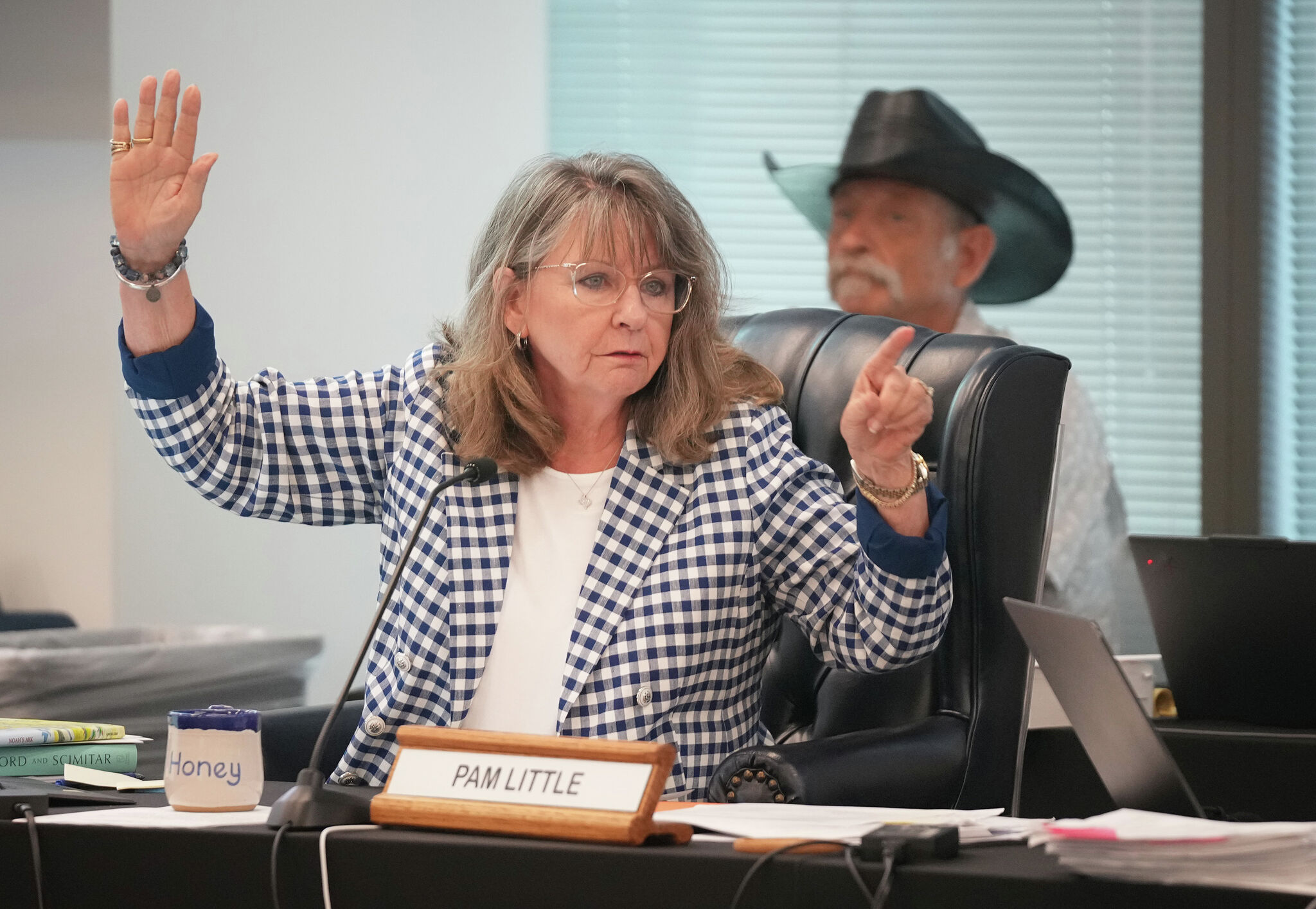
Texas’ new state book list, which includes Bible stories, makes Texas the only state in the country to issue its own literature requirements for public schools rather than leaving book choices up to teachers and districts.
There is a place for a discussion of faith in the context of learning about human societies. However, public schools that serve children from all different religious backgrounds, and those that may not follow any tradition at all, should not prioritize one tradition while providing an incomplete picture of other religions.
And that’s not to say that there isn’t value in having statewide standards for reading lists. There should be requirements that all teachers and districts have to follow, but these standards should incorporate multiple religious traditions.
At least 12 of the nearly 200 reading list titles from kindergarten through grade 12 are Bible stories, beginning with “Jonah and the Whale” for first grade students, to excerpts from the books of Luke, Matthew and Genesis in upper grade levels.
If texts from the Bible are included, texts from other faiths should be included as well. But of course there are no other major religious works on the list. Public schools are responsible for teaching students about religion in a neutral way, not pushing students to one faith or another. It’s disappointing that the state reading list, which at its core has merit, ended up being used in this way.
This newspaper reported that the revised World History standards ask students to explain Islam through “the Prophet Mohammed’s brutal military campaigns,” without mention of Islam’s positive contributions. We can think of many examples of brutal military campaigns in the Bible, too, but those are not being used to define the Judeo-Christian tradition for students.
Anti-Muslim rhetoric has been on the rise in Texas, from the nasty attacks in Frisco’s mayoral election to broader efforts by politicians to cast Islam as threatening or un-American. Teaching Islam as an ideology and not a religion is not something we need creeping into schools.
We should want to help our students read broadly, think critically and understand the many traditions that shaped Texas, the nation and the world — not hand them one version of faith or history.
Have thoughts about this? Send a letter to the editorusing our letters form or email letters@dallasnews.com. Letters should be no more than 200 words and include the first and last name of the writer and city of residence.