
Less than a year ago, Texas voters approved a historic $20 billion investment for water supply and infrastructure to be invested over the next two decades. But lawmakers knew then and now it was just a down payment on a long-term funding structure for the state’s greatest need.
The reality of that need is now harrowingly clear. A draft for the 2027 State Water Plan more than doubles the projected water needs for the state. This means the cost to prevent severe water shortages over the next five decades is now $174 billion. Construction costs and lingering supply chain issues keep moving the goalposts further away.
However, increasing the allocation for the Texas Water Fund is not the solution. The Legislature has already carried a heavy load in the last two sessions. Instead, the state needs to be strategic in investments and ensure future projects are completed on time.
The Legislature also expanded the Texas Water Fund Advisory Committee, which provides recommendations and an additional layer of oversight to the Texas Water Development Board, the agency in charge of managing the water fund. This oversight would be important in helping with what projects need to be prioritized.
Our state will still face droughts, but growth is also going to continue for the next few decades. This means Texas needs to identify projects that expand water resilience, said Jeremy Mazur, director of infrastructure and natural resources policy for think tank Texas 2036.
Location matters. Projects need to be in areas likely to be affected by extreme drought, but also where a high level of economic growth is expected. West Texas is perennially in drought, but it does not have much population growth. Instead, focus on areas with economic and population growth, like the region surrounded by San Antonio, Corpus Christi and the Rio Grande Valley, which is also prone to droughts.
Planners would need to make sure that water supply infrastructure can serve multiple communities. Small and mid-size communities need to work together to optimize their water supply, Mazur said.
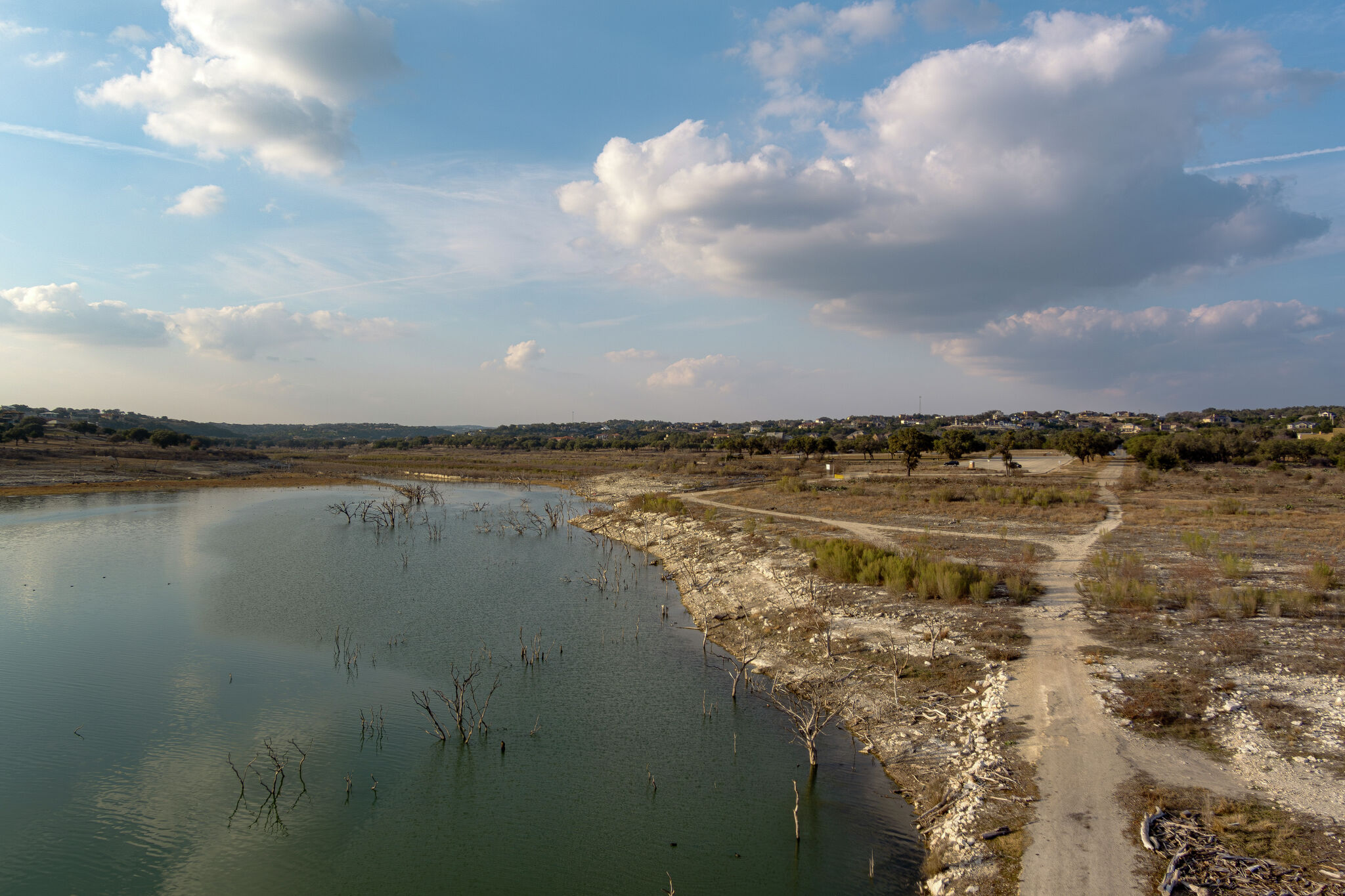
These policy decisions will have an impact. There is no better example right now than Corpus Christi, a city considering severe water restrictions amid a relentless drought.
Corpus Christi’s overreliance on reservoir water supply has proven to be a liability, Mazur told us. El Paso and San Antonio, also in drought-prone areas, have had success by expanding their water supply portfolios, which include conservation, water reuse and desalination of brackish groundwater.
“Corpus Christi’s crisis is a massive clarion call to action, not for more money, but for being more strategic, deliberate and purposeful in regard to what the state is going to pay in terms of water infrastructure,” Mazur said.
Choosing the right projects for water resilience will be as important as delivering infrastructure on time. Droughts will still come, and the costs will only add up.
Have thoughts about this? Send a letter to the editor using our letters form or email letters@dallasnews.com. Letters should be no more than 200 words and include the first and last name of the writer and city of residence.