
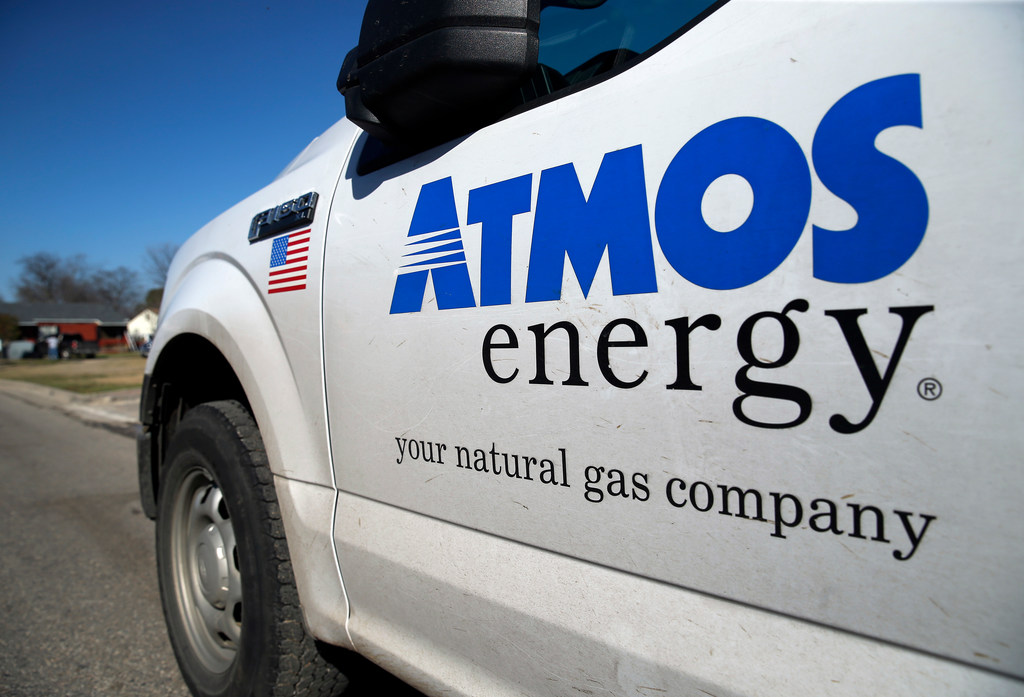
The average Dallas household will pay $9.46 more a month in their gas bills, starting next week on Monday.
Several council members expressed reluctance to approve the settlement, citing rising costs for young families, renters and seniors.
But they ultimately stuck with the city’s negotiated deal with the gas company, saying a rejection likely ends up before the Texas Railroad Commission, which has historically favored Atmos.
A challenge also could allow Atmos to charge customers the higher amount it originally requested while the dispute plays out, and council members worried residents could end up paying even more.
Atmos had sought a $38 million revenue increase from Dallas customers under its annual rate review, equal to a 10.5% increase for a typical residential customer, or roughly $135 per year. The city hired outside consultants who scoured the utility company’s proposal and reduced the revenue increase by $4 million. The new rates for commercial bills will go up by 6.25% a month.
Atmos officials said they were pushing for a rate increase to recoup its investments in replacing old pipes and modernizing its infrastructure. The city said the company invested $321 million in new infrastructure and has replaced 45% of its service lines and piping since 2016.
Council members debated the proposal over two days, weighing whether to fight Atmos’ request or accept the negotiated settlement.
City officials pointed to past cases with mixed results. In 2008, Dallas rejected a $9 million request and the Texas Railroad Commission ultimately granted Atmos just $1.6 million.
But officials said later cases have gone differently. In 2017, the council rejected a negotiated settlement tied to a $10.7 million request. Atmos appealed, and the commission approved a $9.9 million increase instead.
Council member Maxie Johnson said residents have told him their Atmos bills are sometimes higher than their electric bills.
“You guys are asking for more money and it’s already expensive,” he said Tuesday.
The finance committee recommended denying the settlement, but a majority of the council reversed course the next day after a lengthy debate. Deputy Mayor Pro Tem Gay Donnell Willis called the increase “a hard pill to swallow,” saying every penny matters for families.
But she said council members feared rejecting the settlement could leave residents paying even more later.