
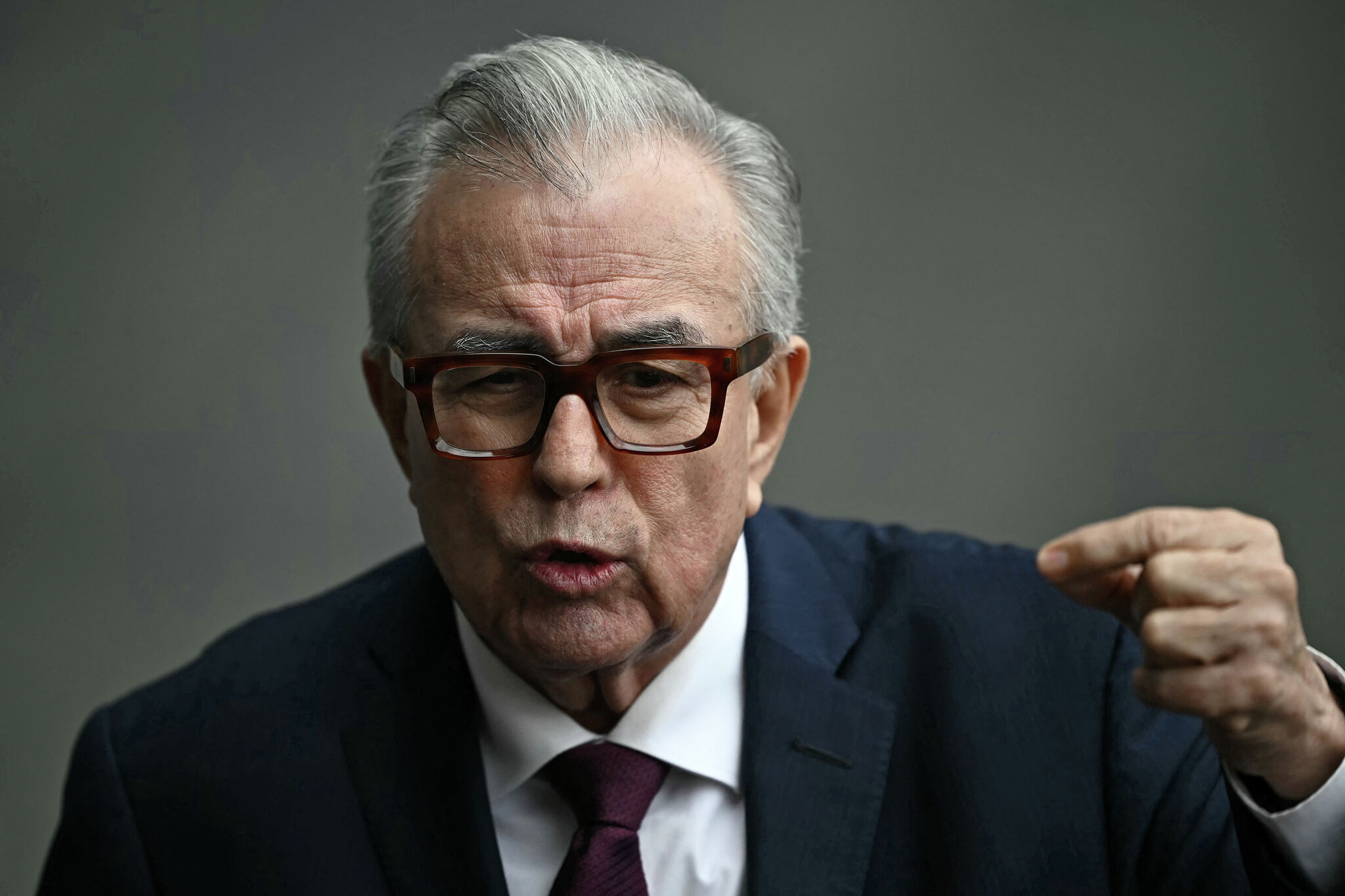
A U.S. indictment has triggered a political storm in Mexico. The governor of Sinaloa, a member of President Claudia Sheinbaum’s political party, is temporarily stepping down after denying drug trafficking charges.
The Justice Department is right to keep the pressure high, whatever the fallout might be in Mexican politics.
Sinaloa Gov. Rubén Rocha Moya has long been suspected of protecting the Sinaloa Cartel, a violent criminal organization and a major supplier of fentanyl. Rocha and nine current and former officials are accused of colluding with the Sinaloa Cartel in a years-long bribery scheme in exchange for protection and benefits. U.S. prosecutors must keep following the evidence wherever it leads.
There is a bad precedent set in 2020, when the U.S. — conceding to political pressure — dropped organized crime charges against Gen. Salvador Cienfuegos, who served as Mexico’s defense minister from 2012 to 2018. This cannot happen again.
Sheinbaum has pledged to support Rocha and has demanded evidence from the U.S. We hope that she will recognize the importance of deep cooperation in confronting the cartels and corrupt politicians that are wrecking her nation.
The February killing of Nemesio Oseguera “El Mencho” Cervantes, the leader of the Cartel Jalisco Nueva Generación, was a political win for Sheinbaum. It bought her time and good faith with the U.S. It was also evidence of renewed cooperation between our nations after years of mistrust and the failed “hugs not bullets” policy of Sheinbaum’s predecessor and political mentor, Andrés Manuel López Obrador.
The Trump administration is demanding more security cooperation, and the threat of sending U.S. troops to confront cartels remains on the table.
In the backdrop is the future of the United States-Mexico-Canada Agreement. Mexico is now our largest trading partner, but the politics of the drug war can still alter the course of what would be a standard process.
An analysis by the Center for Strategic and International Studies outlines several scenarios, including one that finds a moderate to high likelihood that Mexico and Canada will have to make concessions, leading to disruptions in trade and increased mistrust. There is also a moderate chance that no deal will be reached in 2026.
Mexico needs to increase its cooperation, and rooting out corruption will help Sheinbaum in the long run, even if there is a price, political and otherwise. Keeping the USMCA is the best outcome for both countries, but so is fighting drug cartel corruption. Looking the other way is no longer an option.
Have thoughts about this?